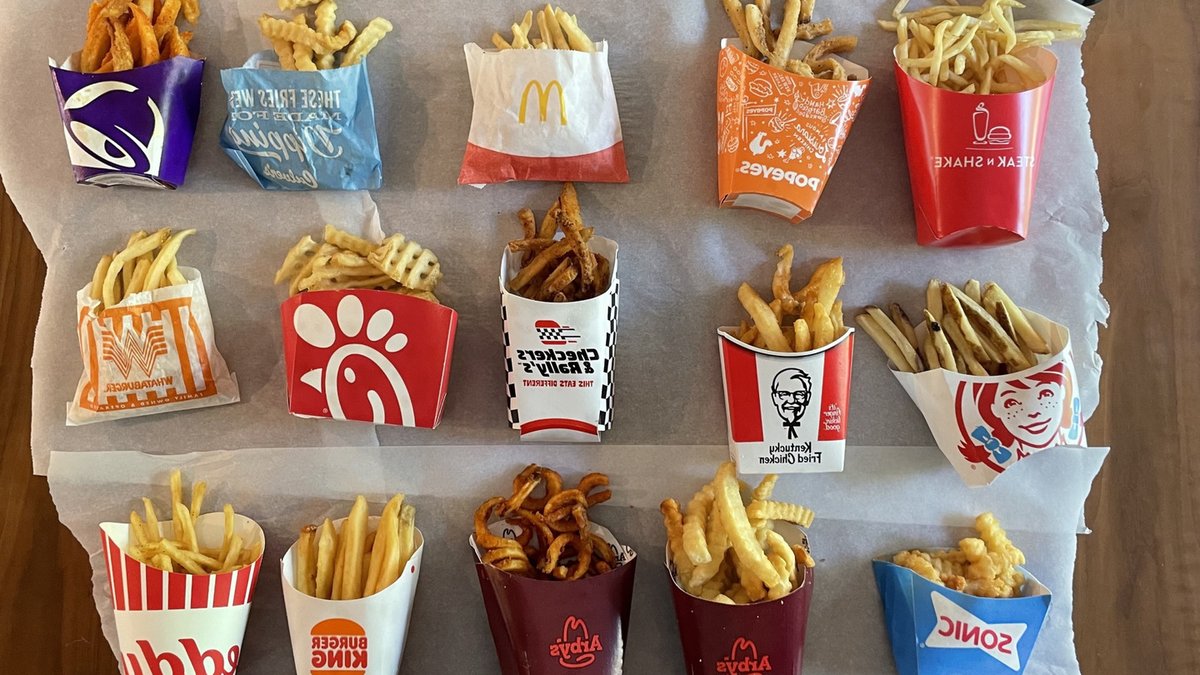
The fast food french fry is a near-universal side item, yet each chain’s version varies dramatically in shape, seasoning, and cooking method. From batter-dipped options to beef tallow-fried classics, the diversity of choices can make it challenging to identify the top contenders. To compile a list of the best fries, the author sampled multiple chains, weighing taste, texture, and originality as key factors.
Notable Contenders in Fast Food Fry Excellence
Arby’s Curly Fries have stood out since 1988 as an iconic alternative to the traditional rectangular fry. While they lose crispness quickly after cooling, their distinctive spiral shape offers a unique texture. The chain’s addition of crinkle fries further solidified its reputation, with a crispy exterior and fluffy interior that rivals established favorites like Raising Cane’s and Culver’s. These fries demonstrate Arby’s commitment to quality in a competitive market.
Whataburger’s medium-cut fries distinguish themselves from the more famous McDonald’s version. They were found crunchier with a pleasant, mildly salty aftertaste, overcoming initial skepticism about dethroning the Golden Arches. This shift reflects broader quality improvements in fast food, where chains like Whataburger prioritize fresh, well-seasoned fries over nostalgic consistency.
Popeye’s Cajun Fries surprised the author with their double-fry technique. Cooked first at 300°F for even cooking, then at 350°F for a golden, crunchy exterior, their texture is enhanced by a robust Cajun seasoning blend. The result is a side dish that outshines expectations, offering a crunchy, double-fried exterior and a robust Cajun seasoning blend.
These fries prioritize crispness over fluffiness, appealing to those who prefer a diner-style side.
Chick-fil-A’s waffle fries converted the author from fry skeptic to advocate. The texture contrasts between crispy ridges and chewy interiors, along with visible potato skins, create a more authentic potato experience. This balance of crispness and substance challenges the notion that fast food fries must be uniformly processed.
Culver’s Crinkle Fries stand out for their consistent freshness, as the chain cooks items to order, ensuring peak crispness. Their thinner cut compared to Arby’s yields a crispier bite, earning the author’s admiration. The emphasis on freshness highlights a growing trend among midwestern chains to prioritize quality over speed.
Wendy’s fries differentiate through their thicker, natural cut with potato skins intact. After testing 20 variations, Wendy’s settled on a shape that balances texture and flavor, outperforming Burger King’s softer, off-putting aftertaste. The peel adds a rustic element that enhances the overall potato flavor.
Steak ’n Shake’s Beef Tallow Fries evoke nostalgia by using actual beef tallow rather than artificial flavoring. This method, once common in fast food, delivers a rich, savory taste that contrasts sharply with McDonald’s current oil choices. The fries’ thin, salted cut complements the chain’s focus on quality ingredients.
Checkers/Rally’s batter-dipped fries maintain their reputation for extreme crispiness. The flour-and-seasoning coating creates an extra-crispy exterior, though the fries’ heft can overshadow the accompanying sandwich. Longtime fans confirm their enduring quality, defying concerns about declining standards.
Evaluating Fry Quality: Taste, Texture, Originality
The author’s criteria prioritize balanced seasoning, satisfying texture, and creative innovation. McDonald’s was excluded despite its cultural prominence due to a perceived decline in quality, particularly the chemical aftertaste from its current oil.
Chains That Missed the Mark
Several prominent chains failed to meet the author’s standards during testing. McDonald’s, despite its cultural ubiquity, was excluded due to a chemical aftertaste linked to its current cooking oil. According to reports, the Golden Arches’ decline in fry quality reflects broader industry shifts. Other exclusions include Burger King, whose thicker-cut fries suffered from an off-putting aftertaste similar to McDonald’s. Sonic’s fries were deemed unremarkable, while KFC’s attempt at seasoned fries fell short of expectations. Taco Bell’s nacho fries, described as an “ill-conceived” experiment, failed to deliver on flavor or texture. These rejections highlight the gap between fast food’s nostalgic appeal and its evolving standards.
Industry Trends in Fry Innovation
Reports reveal a growing emphasis on freshness and authenticity. Similarly, Steak ’n Shake’s use of actual beef tallow—instead of flavorings—returns to classic techniques, offering a richer taste. They note that McDonald’s once relied on tallow but now uses artificial flavoring, explaining its diminished reputation. This trend reflects chains seeking differentiation through traditional methods and quality ingredients.