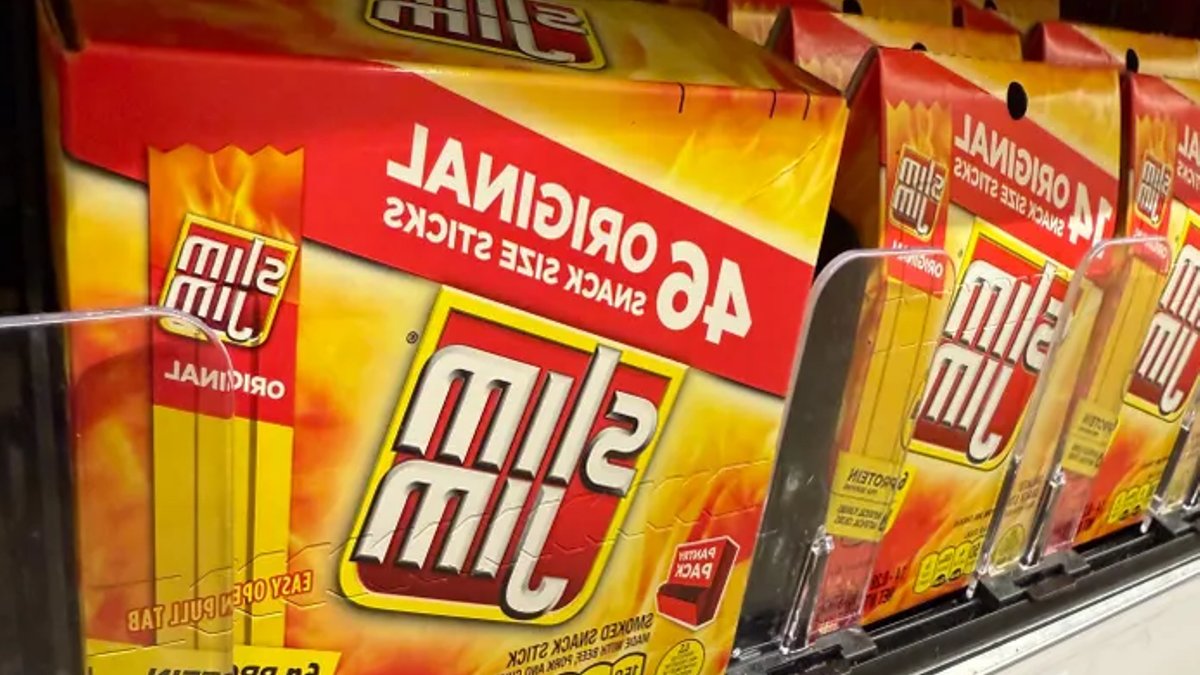
John Brase took the helm of Conagra Brands, promising bold moves to revive growth.
New leadership pushes portfolio simplification
He arrived from J.M. Smucker about a month and a half ago and quickly outlined priorities. In an interview with Food Dive, the new CEO said the company must act aggressively to trim its very large, complex portfolio. Conagra, known for brands such as Orville Redenbacher and Healthy Choice, announced a 50 % dividend cut and a plan to allocate more capital toward brand development and supply‑chain improvements.
For the fiscal year ending 2027, the firm projects organic net sales to fall between 1 % and 3 %, after a modest 0.4 % decline in the prior year. “We’re not happy where we are today,” Brase said. “You can expect more bold actions from us so we can get back to winning.”
The company posted $11.3 billion in net sales for the 2026 fiscal year, with a strong foothold in snacking and frozen foods—segments that continue to attract consumers. He noted the need to streamline the roughly 5,500 SKUs it currently manages before evaluating potential divestitures.
Related: Brown Forman CEO to Retire
Strategic focus on SKU reduction and selective acquisitions
“Our ability to focus on fewer SKUs and fewer brands really allows us to unlock the full potential of those businesses,” the executive explained. The portfolio review is underway, though the process will take time. Conagra also plans to consider smaller bolt‑on acquisitions, but only after further reducing its debt load, which must be addressed before pursuing larger deals.
Fourth‑quarter results showed a 3.6 % rise in net sales to $2.9 billion, aided by an extra week of reporting. Grocery and snack sales grew 0.3 % to $1.2 billion, while refrigerated and frozen food revenue increased 5.3 % to the same level, indicating that the frozen segment is holding up better than other areas.
Analysts have noted the steps but remain cautious. BNP Paribas Equity Research senior analyst Max Gumport remarked that while Conagra appears to be setting the right priorities, there is little evidence that short‑term fundamentals are improving.
The move mirrors a pattern seen across the packaged‑goods sector, where firms are shedding non‑core lines to concentrate on high‑margin categories. This trend reflects consumer demand for convenience and the pressure of rising input costs, which force companies to prioritize efficiency and growth in areas that align with current buying habits.
Related: Premier Protein appoints salty snack chief as CEO
John Brase, a veteran of more than three decades in consumer packaged goods, emphasized the company’s resilience. “I love food. It matters to consumers,” he said. “The opportunity to come here – this is a place, this is a company that has a tremendous runway in front of it.” His remarks highlight a belief that the diverse brand portfolio can still connect with shoppers across a range of economic conditions.
Challenges remain. The food sector has felt the impact of shifting consumer trends, increased competition from agile startups, and tighter household budgets. Recent comments from PepsiCo pointed out how high gasoline prices are curbing snack and beverage spending, a pressure point that could also affect Conagra’s sales.
Looking ahead, performance will hinge on how quickly the SKU reduction is executed, viable divestiture candidates are identified, and any new acquisitions are managed without overleveraging. Stakeholders will watch for tangible signs of improvement in sales momentum and profit margins as the plan unfolds.