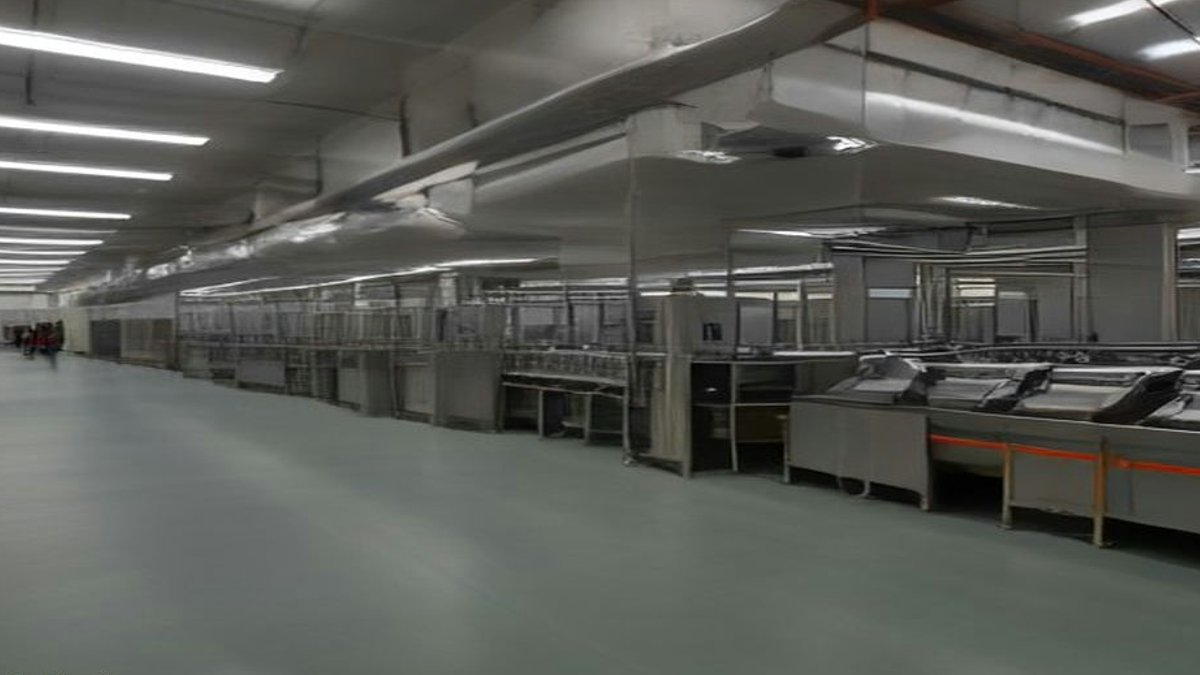
Food and beverage companies cut 29,693 jobs through September, up 76% from last year, as Nestlé and PepsiCo announced plant closures this week.
Nestlé announced its Solon, Ohio factory will stop production by Q3 2027, moving pouch manufacturing for Lean Cuisine and Hot Pockets to Gaffney, South Carolina.
PepsiCo permanently closed its bottling plant in Knoxville, Tennessee, resulting in 112 employees losing their jobs across production, upkeep, and warehouse departments.
Cuts and Consolidations
Tyson closed three beef facilities, resulting in 7,982 job cuts in August alone, while Campbell’s, Amy’s Kitchen, Diageo, and Sapporo USA also announced closures or layoffs.
Nestlé called building on existing capacity elsewhere “the most sustainable path forward” as the company moves production to other facilities.
The Solon campus had 780 employees in 2024, when 216 layoffs were already announced, indicating that the company has been undergoing restructuring efforts for some time. This move to consolidate production is likely a strategic decision to optimize resources and reduce costs.
Corn Yield and Cargo Theft
The USDA’s revised corn yield projection triggered a 4.1% drop in December futures prices, while the average financial loss per cargo theft incident rose despite a decline in total Q2 theft cases.
Related Post: Global alliance seeks single footprinting standard for food industry
CargoNet reported a 26% year-over-year drop in total supply chain thefts in Q2 2026, and food and beverage incidents fell as well, but pilferage accounted for 46% of Q2 incidents.
The USDA’s October crop report raised the 2026 US corn yield to 181.2 bushels per acre, up from 178.5 in September, with total production estimated at 16,034 million bushels, up 1.5% from the prior month. December corn futures fell 4.1%, settling at $4.79¾ per bushel, after running up 29% from June to a contract high of $5.18. The provisional nature of the 181.2 estimate, subject to revision in the November 10 report, shows the complexity of crop yield forecasting.
Regulatory Developments
Texas filed a lawsuit against Nestlé’s Gerber brand, demanding over $10 million in fines for alleged heavy metal contamination in baby food products sold between 2017 and 2019.
Gerber maintains its products comply with FDA safety standards and argues that eliminating heavy metals entirely from food is impossible, despite the lawsuit’s claims. The legal action follows a 2025 Texas probe into Gerber and Plum Organics, a 2021 congressional investigation on baby food contaminants, and recent Consumer Reports tests revealing high arsenic levels in multiple brands.
Industry officials consider the FDA’s upcoming definition of ultra-processed foods a major shift, while the agency also plans to phase out all FD&C artificial dyes by the end of 2027.
PMMI projects the US packaging equipment market will hit $12.2 billion in 2026, up 4.5%, with food accounting for 44% of purchases. PMMI also projects shipments will rise another 6.8% in 2027. The 2025 tariff uncertainty stalled proposals, but those orders are now converting, indicating a positive outlook for the industry.
The FSMA 204 traceability rule is becoming a customer expectation ahead of its 2028 deadline, and retailers and restaurants subject to the same 24-hour records requirement are expected to write supplier expectations into contracts before regulators get there. The 2025 Cyclospora outbreak, which sickened 12,883 people across 21 states, highlights the importance of effective lot tracking and traceability in preventing such incidents.