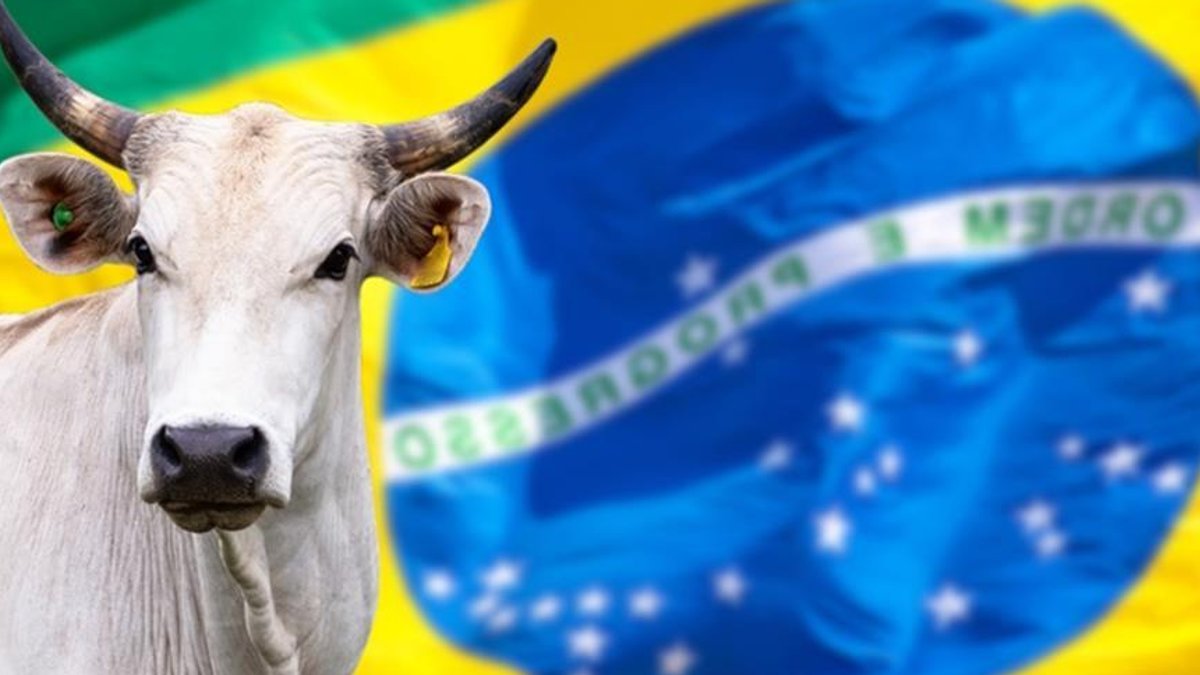
The EU’s ban on Brazilian beef imports has sparked a debate about whether imported food should meet the same standards as domestic production. This decision has implications for the UK government as it considers a new Sanitary and Phytosanitary (SPS) agreement with the EU, aligning with European food-safety legislation.
The EU’s new requirements focus on antimicrobial use in food-producing animals. Countries exporting to the EU must prove that antimicrobials are not used for growth promotion and that certain antimicrobials reserved for human infections are not used in animals. These rules, in place for EU producers since 2022, now apply to imports as well.
Brazil’s Beef: A Case Study in Food Safety and Trade
Brazil’s inability to provide the necessary guarantees led to the EU ban. The issue extends beyond antibiotics, highlighting the challenge of ensuring regulatory enforcement in global food trade. The 2017 ‘Weak Flesh’ scandal exposed governance failures in Brazil’s food-safety controls, involving corruption and criminal activity.
While Brazil has made improvements, concerns persist about the gap between its regulations and the stringent guarantees required by major export markets. This gap is especially challenging given Brazil’s scale of food production.
The UK farming unions have called for a ban on Brazilian animal products until Brazil demonstrates responsible production. They advocate for an in-country audit of Brazilian systems and increased checks. This stance is supported by those who believe UK farmers’ efforts to reduce antibiotic use should not be undermined by imports produced under less rigorous standards.
Brazil’s Food Safety and Trade Challenges
Brazil’s food safety system faces scrutiny over its ability to meet international standards. Reliable sources indicate that Brazilian labs, once responsible for testing meat for antimicrobial residues, had their contracts terminated, reportedly as a cost-cutting measure. This decision has raised concerns, as the labs previously met necessary quality standards. Additionally, Brazil struggles to provide essential records on animal production and rearing, including farm documentation, animal identification, veterinary medicine records, and full traceability.
To ensure compliance with global food safety requirements, Brazil’s regulations must be supported by trained inspectors, effective surveillance, accredited laboratories, reliable animal identification, veterinary oversight, and independent verification. These elements are critical for maintaining access to high-value international markets. Agribusiness is a cornerstone of Brazil’s economy, generating approximately $165 billion in annual exports and accounting for nearly half of the country’s total exports. Investment in robust control programs is therefore essential to safeguard this sector.
Trade diversion is another concern, particularly for the UK farming sector. With the EU market closed to Brazilian beef and poultry, there is potential for these products to enter the UK. Brazil exported over 92,000 tonnes of beef and 211,000 tonnes of poultry to the EU last year, raising questions about the volume that could now shift to the UK market.
A Wider Regulatory Question
The UK’s negotiations with the EU on SPS alignment add complexity to this debate. If the UK aligns with EU food-safety standards, maintaining different requirements for Brazilian imports seems inconsistent.
This situation raises a broader question: if the UK restricts Brazilian beef due to insufficient production standards, should the same principle apply to imports from other countries? FSA research highlights differences in production standards for imported food, including animal welfare and environmental sustainability.
The call for a UK framework of core production standards applicable to both domestic and imported products is gaining traction.
They state that the global threat of AMR makes it difficult to justify importing food from systems that cannot demonstrate equivalent restrictions.
The issue extends beyond antimicrobials to include pesticides, veterinary medicines, animal welfare, environmental standards, and labor practices.
The Need for a UK Framework of Core Production Standards
As the UK manages its post-Brexit trade relationships, the decision on Brazilian beef imports could shape its future approach to food safety and trade. The UK government’s guidance states that Great Britain is expected to align with the EU’s third-country import rules, with inspections of some rest-of-world imports aligning with levels specified in EU legislation.