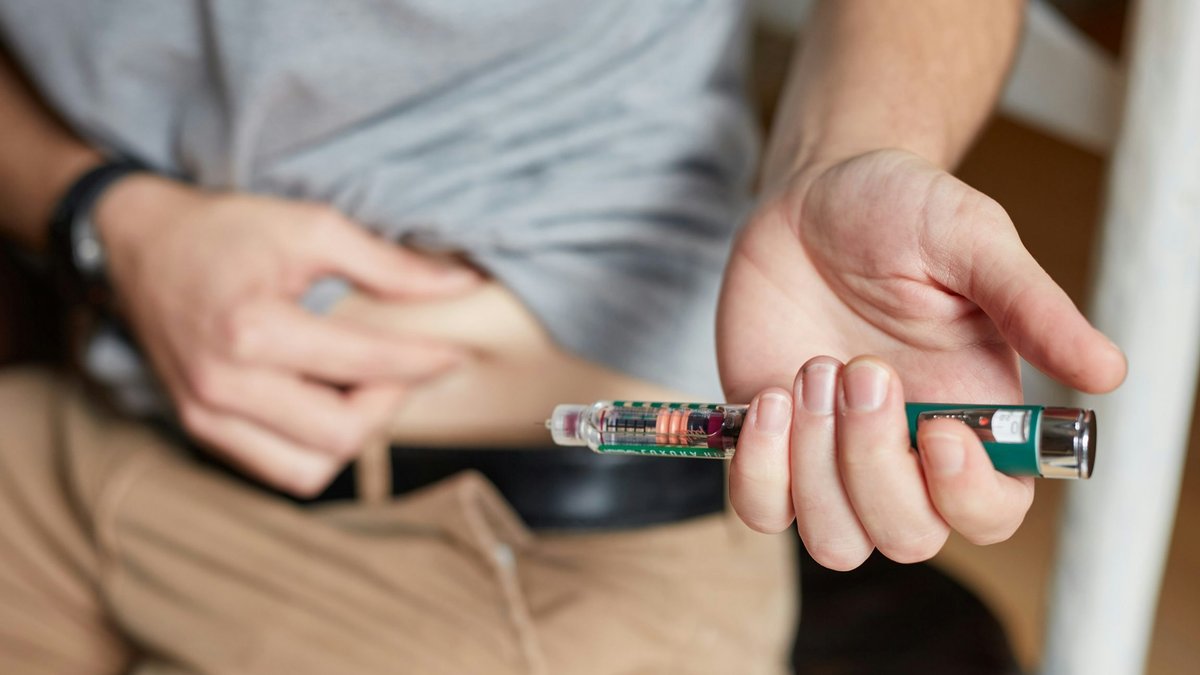
Americans are increasingly turning to GLP-1 medications as a tool for weight management, with 54% of GLP-1 users interested mainly in managing their weight, overtaking those who are taking the drugs for health reasons (46%) for the first time, according to a recent EY-Parthenon analysis.
The same report shows that 63% of GLP-1 users are reducing consumption of sweets and 57% are cutting back on salty snacks. At the same time, 66% report eating more fresh produce, and 51% say they are drinking fewer soft drinks, suggesting a broader shift in daily eating habits.
Changing Consumer Behavior
“We’re seeing these medications reshape consumer behavior in tangible ways, from food and beverage choices to wellness, fitness and discretionary spending,” said Katie Johnson, EY-Parthenon Americas consumer and health industry leader.
Because 94% of GLP-1 users often are the same people who make meal planning and grocery shopping decisions for the whole family, the impact extends beyond the individual. The study notes that 42% of these users have adjusted their families’ meals, indicating a ripple of change through household food planning.
Opportunities for Brands
Don Johnson, principal of strategy and execution at EY-Parthenon, Ernst & Young LLP, advises that companies will need to track where demand is evolving, where consumers are reallocating spending, and how to adapt their portfolios to remain relevant in an increasingly health-focused consumer environment. Established brands can reformulate items to boost fiber and protein while cutting sugar and calories.
Additional strategies include launching new products that appeal directly to the GLP-1 market, expanding into wellness-oriented categories, and increasing investment in research and development. The analysis also suggests that brands may reposition existing items as healthier and more nutritious, and adopt simplified ingredient lists that align with GLP-1-friendly labeling.
Growth projections indicate that the number of people using GLP-1 drugs is set to rise in the mid-20s% range through 2030. Moreover, the survey found that 52% of former users are likely to restart therapy, reflecting waning concerns about side effects, long-term health impacts, efficacy, and drug interactions.
The research gathered responses from 14,883 members of the general population and an additional 3,602 current or former GLP-1 users. Data collection took place between March and May, providing a timely snapshot of evolving consumer attitudes.