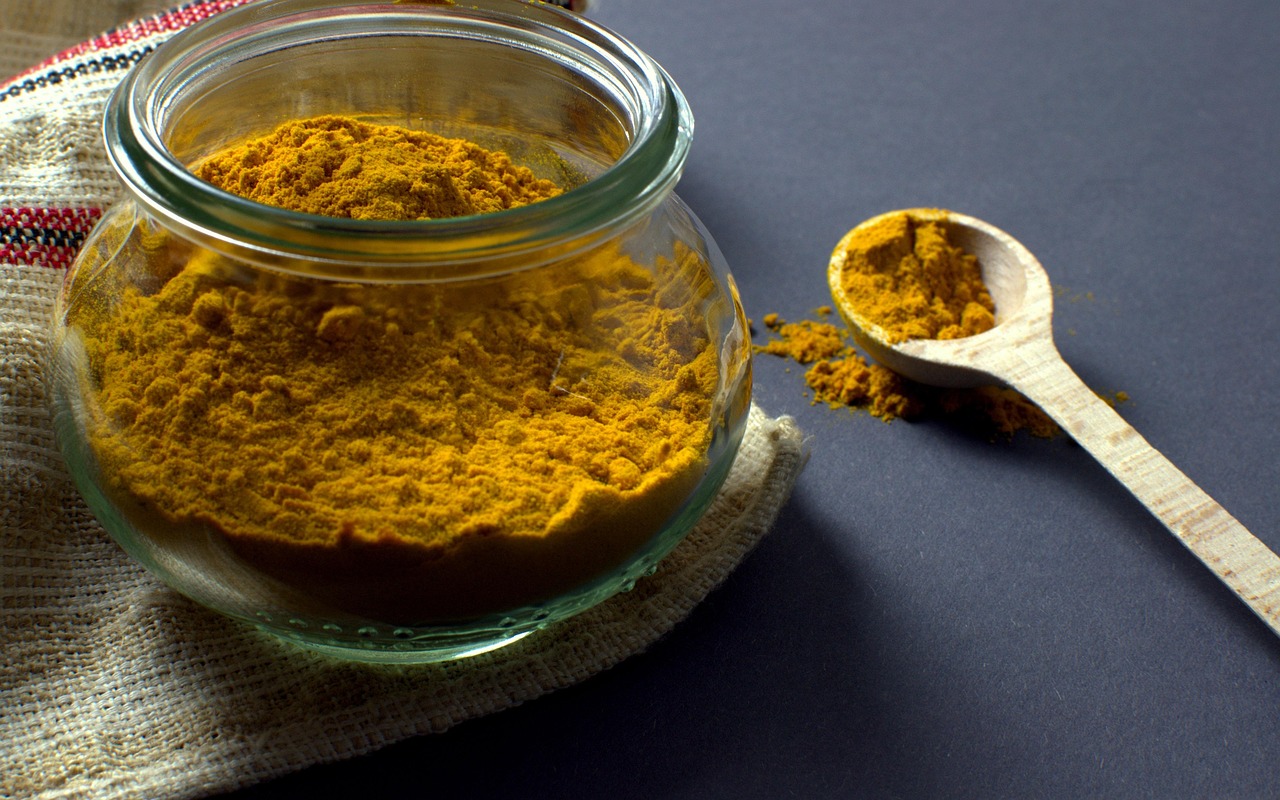
The food industry keeps shifting toward cleaner labels these days, and all-natural food coloring is becoming more requested in small and large batches. Many buyers also look for a trusted turmeric extract manufacturer when they want stable color consistency in drinks and sauces. The call feels variable in all areas but slowly develops in a sensible way. Some companies switch after customer feedback, not trends. The balance between price and natural sourcing keeps changing often in real business settings.
Ingredient sourcing practical notes
Sourcing raw materials for all natural food coloring is not always simple because crop quality changes by season. A turmeric extract manufacturer usually depends on farm relationships and repeated testing before acceptance. Some batches look fine but behave differently in processing lines. Storage conditions also matter more than people expect in real production cycles. Many suppliers quietly adjust grading standards depending on harvest outcomes. It is not always consistent, yet the system still works with adjustments.
Processing and extraction methods
In all natural food coloring, extraction methods decide final shade stability more than the raw material itself sometimes. A turmeric extract manufacturer often uses solvent-based or water-based extraction depending on target purity levels. Small changes in temperature can shift pigment strength noticeably in real production. Operators often display batches manually next to machines for maintenance reasons. Dispersive methods for drying and filtration steps are also affected by the very final texture. These processes look simple but require repeated tuning in practice.
Quality control simple checks
Quality checks for all natural food coloring usually include visual comparison and basic lab testing for purity. A turmeric extract manufacturer regularly checks the curcumin percentage to match specific batches throughout the shipment. Small deviations can affect very final meals; production traces appear in more than what is expected. However, some factories depend on the physical activity of daily sample tasting and board inspection. Humidity levels must be calculated because they affect the supply and utility of the garage. These checks remain practical rather than overly complex systems.
Industry usage and applications
Food companies use all natural food coloring in beverages, bakery items, and packaged snacks for cleaner labels. A turmeric extract manufacturer also supplies ingredients for health drinks and seasoning blends regularly. The application desires vary depending on the thermal stability and method of assembly of the final products. Some growers make it in liquid form, while others opt for powder form for easier handling. Market expectations keep shifting slowly with consumer awareness patterns. Practical usage still depends on cost balance and formulation needs.
Conclusion
The shift toward all-natural food coloring continues shaping how food brands plan ingredient strategies in competitive markets. A turmeric extract manufacturer plays an important role in maintaining consistency across different supply chains and product categories. Many companies are now becoming aware of the balance between cost, balance, and herbal procurement in practical processes. You can actually search for more insightful sourcing options directly through foodrgb.com. Get these days for better construction planning and factor selection, and get in touch with answers that are in the form of your needs.