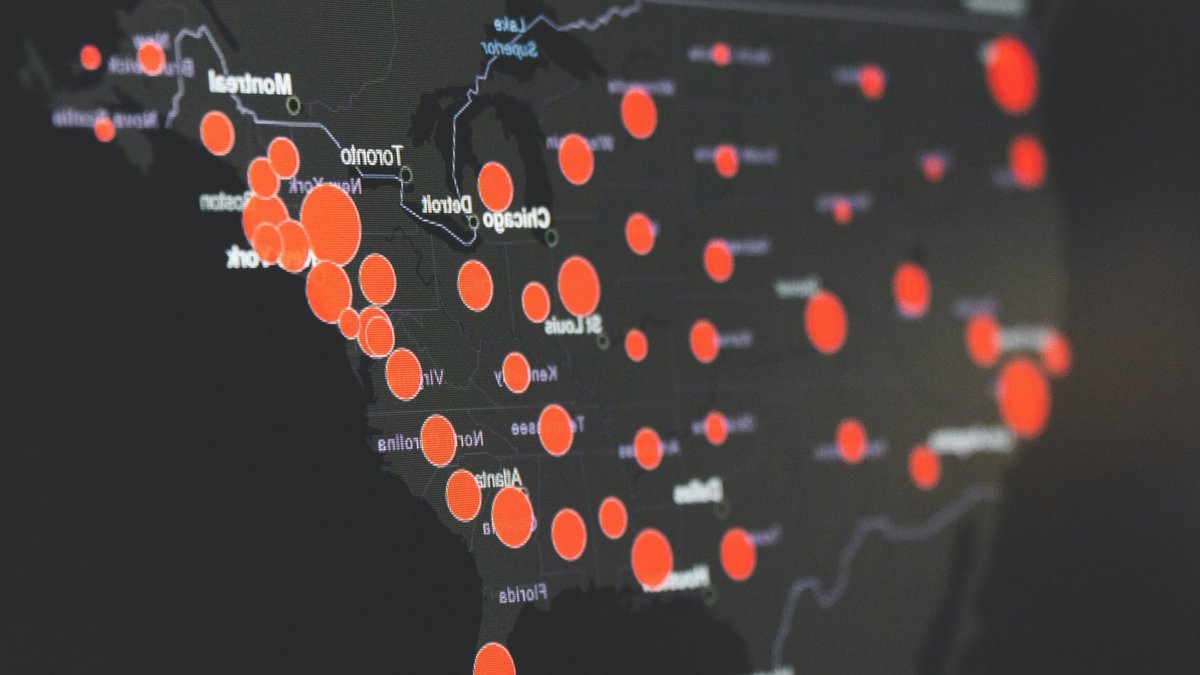
Food recalls are dominating headlines, with public concern growing about the safety of the nation’s food supply. Consumers are increasingly worried about foodborne illnesses and question whether industry leaders can provide safe food. Media headlines claim recalls are up 400%, adding to consumer fear. Public perception is that recalls are more frequent, fueled by ongoing media coverage and social media chatter.
Recalls Are Growing in Scale
Recalls are not necessarily more frequent, but they are expanding in scope. Factors like supplier consolidation, cross-border sourcing, and complex distribution networks contribute to larger-scale incidents. When a few large suppliers serve many brands, a single point of failure can quickly become a multi-state crisis.
The traditional view of a supply chain as a straight line is outdated. Food moves through a web of intersecting growers, packers, shippers, and distributors. A single ingredient can pass through several suppliers before reaching consumers, meaning one issue can impact many products and brands.
Map Your Supply Chain Beyond One Step
Understanding your supply chain partners one step up and one step back is the minimum requirement. Companies must map their sources of supply to know which suppliers touched a given ingredient and which products draw from the same source. This knowledge strengthens traceability and speeds up resolution during a recall.
Since recalls involve the entire supply chain, preparation must extend beyond your company. Participating in mock recalls that simulate the entire process, from the decision to recall through resolution, is critical. This ensures all partners know how to respond when an incident occurs.
Data Management Is Essential
As recall scale grows, data management becomes more critical. Companies with accurate, accessible records can isolate the affected scope immediately. They know exactly which lots, facilities, and downstream partners are implicated, which accelerates notification and action.
The data must be standardized and shareable across the supply chain. FSMA 204 enforcement has been delayed to July 2028, but companies cannot wait.
The most effective way to manage recall data is through integrated tech systems. When trading partners use interoperable systems, it facilitates better visibility and traceability, faster action, more targeted recalls, and less risk for the entire supply chain. The tools to build these connected systems are better now than ever before.
It’s unrealistic to believe the industry can stop recalls completely. Despite advances, innovations, and prevention strategies, some food safety breaches and production errors remain inevitable. Ensure your company is recall ready and well-prepared to manage complex recalls in today’s wider picture.
Recall ready companies have planned ahead, with frameworks to mobilize quickly. They’ve trained staff, developed recall plans, and regularly practice simulations with trading partners. They recognize the need for resilience, accurate information dissemination, and public health protection as supply chains grow more complex.
Roger Hancock, CEO of Recall InfoLink, is one of the world’s foremost experts on recalls, with experience spanning retail, tech, data, regulatory, and supply chain sectors.