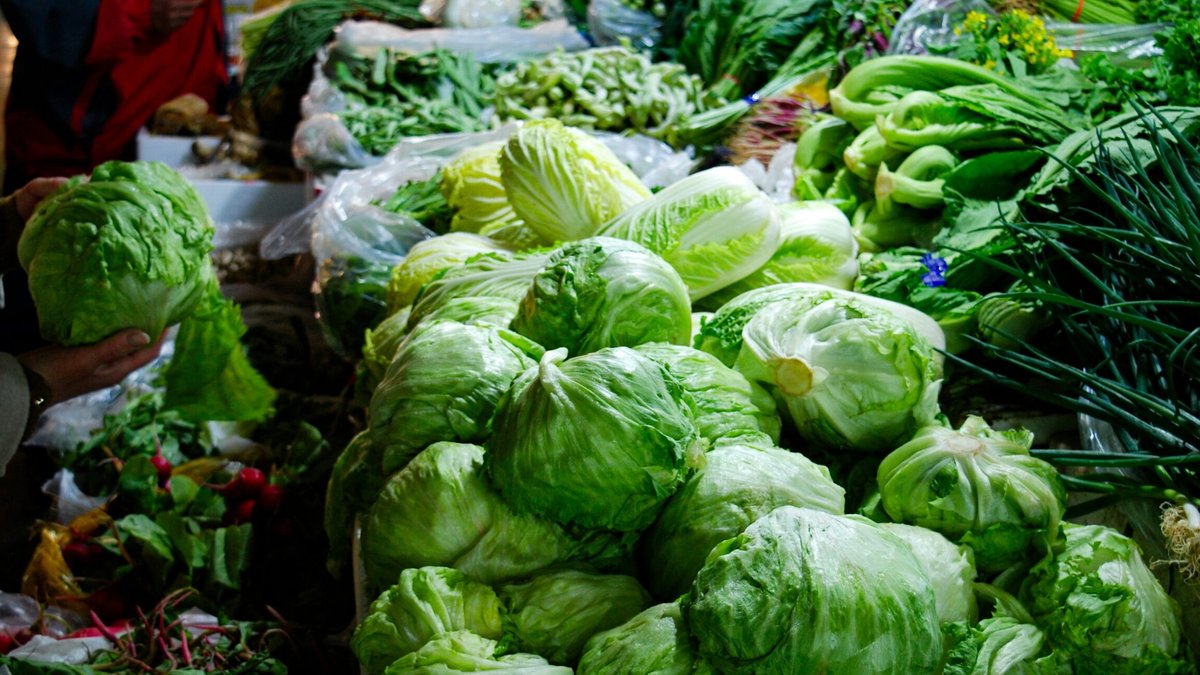
A five-state Cyclospora outbreak linked to shredded lettuce was traced to a single supplier without a single positive lab result, revealing gaps in food traceability that cannot wait for federal deadlines.
1,644 cases, zero lab confirmation
Taylor Farms de Mexico recalled every case of iceberg lettuce shipped from central Mexico on July 17 after the FDA connected 1,644 Cyclospora infections across five states to Taco Bell locations serving the product. Michigan reported 190 cases, with 90% of patients confirming they had eaten meals containing shredded lettuce.
Agencies identified the supplier before any lab results confirmed contamination. A lettuce sample initially tested positive for Cyclospora on July 18, but the FDA later ruled it a false positive. The recall continued based only on traceback records and patient interviews.
Related: Jeni’s ice cream sales boosted by indulgence trend
Investigators followed the supply chain backward from restaurants to distributors to growers, matching shipment records against what sick patients recalled eating. The method depended on tools the CDC lists as standard, though these often fail when records are incomplete or disconnected.
The 24-hour rule already exists
The Food Safety Modernization Act’s traceability rule, originally scheduled for January 2026, was delayed to July 2028. The extension allows companies more time to develop systems for tracking lot-level data across suppliers, packers, and distributors, though such upgrades compete with other spending priorities for mid-size plants.
The delay does not affect the FDA’s current authority. The agency’s existing traceback powers, separate from FSMA 204, remain in force. This outbreak showed how that authority functions: officials requested records from suppliers and restaurant chains on short notice while case counts climbed.
Leafy greens, including iceberg lettuce, appear on the FDA’s Food Traceability List. Once the rule takes effect, any facility handling these foods must keep Critical Tracking Event records with Key Data Elements, available to the FDA within 24 hours.
Related: Tom Holland’s Bero gains brand partners
Most mid-size manufacturers cannot produce those records quickly. If the FDA requested Key Data Elements for a single lot, many would need to reconcile supplier emails, shipping spreadsheets, and ERP data—assuming lot numbers even align. This gap slows tracebacks from days to weeks, forcing recalls to expand when the source remains unclear.
The FDA named Taylor Farms this month based on a paper trail that held up. Other suppliers might not fare as well in a similar situation.
The delay to 2028 provides time, but outbreaks do not pause for deadlines. The tools to trace contamination exist, though they are not always accessible when needed most.