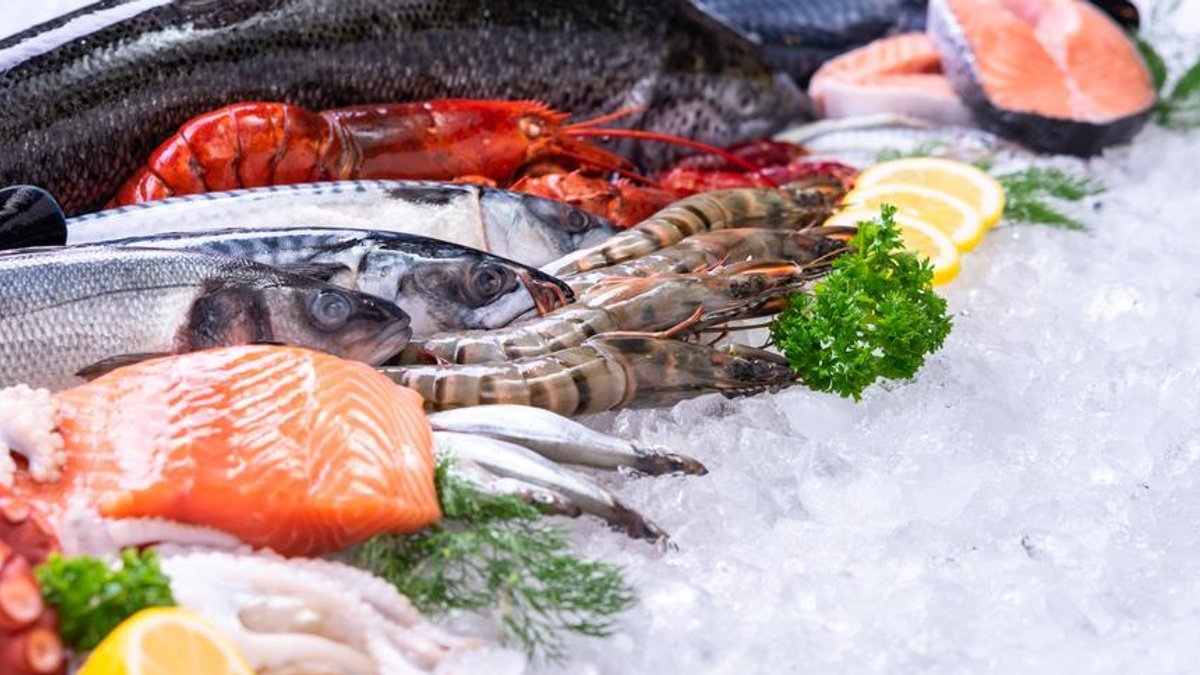
The seafood industry is enormous, with supply chains that are equally large. Consumers are willing to pay high prices for seafood, which has led to fraudulent practices on a significant scale. According to the report, the industry is responding to these issues and businesses can take steps to boost credibility and protect consumers.
The global population is growing, and consumers are increasingly seeking healthier and lower-carbon sources of protein, leading to high demand for seafood. Fish and aquaculture products are now among the world’s most valuable traded food commodities. However, this success story has also created an environment conducive to massive-scale food fraud.
The Scale of Seafood Fraud
A recent FAO report describes seafood fraud as one of the most significant integrity challenges facing the global food system today. The report presents evidence that approximately one in every five seafood products globally may be mislabelled, making seafood one of the most fraud-prone food sectors in the world.
In 2022, global fisheries and aquaculture produced over 185 million tonnes of aquatic products worth approximately $195 billion. Around 90 percent of production was destined for human consumption, with seafood traded between more than 230 countries and territories. The sector includes over 12,000 commercially traded aquatic species, each with its own biology, geographical distribution, commercial value, and regulatory requirements.
Supply chains for seafood products are complex, with many products changing hands multiple times before reaching the consumer. This complexity creates opportunities for fraudsters to exploit weaknesses within the supply chain. Many products can lose their defining characteristics during processing, making it difficult for even experienced buyers to identify the species by visual inspection alone.
Studies have identified fraudulent seafood activities in 55 countries, with mislabelling occurring at virtually every stage of the supply chain. Restaurants are particularly vulnerable, with around 30 percent of seafood products reported as incorrectly described. In Peru, fraud was detected in 43 percent of seafood samples, while a Chinese study reported over 75 percent of tested seafood products belonged to a species outside the expected one.
Related Post: EU Beef Ban Sparks UK Food Safety Debate
Consequences of Seafood Fraud
Fraud is not just an economic crime, but also introduces significant food safety risks. Species substitution can expose consumers to unexpected allergens, naturally occurring toxins, parasites, or contaminants. Fish intended only for cooked consumption may be served raw, increasing food poisoning risks. Products may originate from waters or production systems that have never undergone appropriate safety controls.
The authors of the FAO report note that 58 percent of documented substitutions involved species presenting potential health risks to consumers. This makes seafood fraud a major public health risk. The report highlights examples where substituting one tuna species for another can generate significant financial gain, while misrepresenting farmed fish as wild-caught creates additional economic incentives.
As the global seafood industry continues to grow, the risk of fraud is increasing. Climate change is also driving this risk, with the emerging 2026 El Niño demonstrating how climate shocks can rapidly cascade through global seafood supply chains. The collapse of Peruvian anchovy stocks is disrupting fishmeal production, driving record feed prices and threatening the multibillion-dollar global aquaculture industry.
One aspect that deserves greater attention is the close relationship between seafood fraud and environmental sustainability. When illegally caught fish enter legitimate markets through fraudulent documentation, the consequences extend far beyond economics. Misrepresentation masks illegal, unreported, and unregulated fishing, undermines fisheries management, distorts stock assessments, and weakens conservation efforts designed to protect vulnerable marine ecosystems. The FAO report notes that the integrity of the seafood industry is inseparable from its sustainability.
The industry is taking steps to combat seafood fraud, with science playing a key role in exposing food fraud. Analytical science has never been more capable of detecting fraud, and a recent meeting in Vienna brought together representatives from nearly 20 countries to map existing detection technologies and those that show the most promise. The meeting aimed to develop, validate, and deploy these technologies across a range of carefully selected seafood supply chains. The FAO report highlights the importance of addressing seafood fraud, and the industry is working to build a global seafood system that consumers can trust with complete confidence. The use of advanced authentication technologies is becoming increasingly important in this effort.