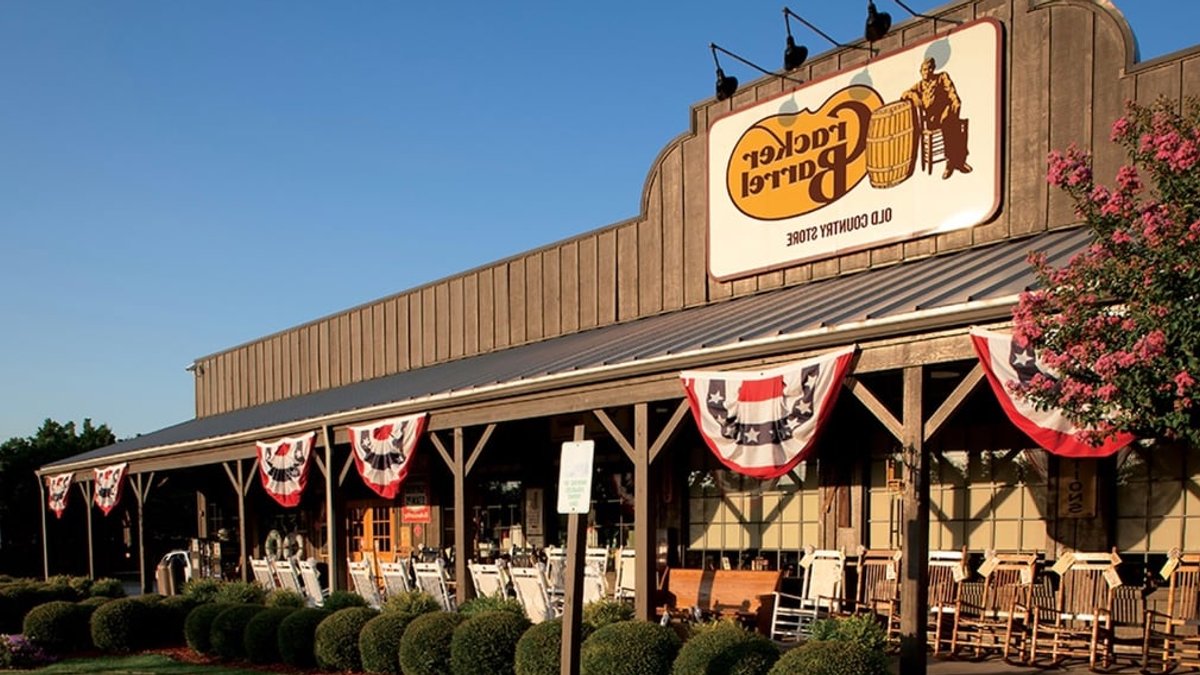
Cracker Barrel’s recent CEO resignation has turned the brand into an industry cautionary tale, but the real lesson goes beyond a simple branding fail. The truth is that CEOs often face pressure from boards and shareholders to create growth at all costs, and they use various tools to achieve this goal, including updating menus and pricing strategies, developing marketing campaigns, and refreshing the brand.
Cracker Barrel’s CEO, Julie Masino, chose to refresh the brand, but this decision ultimately backfired. The brand’s appeal lies in its nostalgic value, with a quaint country store and restaurant that serves classic American country cookin’. The entire concept is anti-change, with red and white gingham tablecloths, rustic wood paneling, and a golf tee game on every table, creating a time warp that makes customers forget their modern problems.
Nostalgia is a double-edged sword for Cracker Barrel, as it can be both a strength and a weakness. While it can be an effective way to leverage customer loyalty, it can also make it difficult to convince fans to let go of their nostalgia and accept changes to the brand.
Other brands have attempted to tap into nostalgia with rebrands, but their approach has been different. Burger King and Pizza Hut, for example, are not rooted in nostalgia in the same way that Cracker Barrel is, and their rebrands have been more about un-modernizing or un-refreshing their image. In contrast, BMW has managed to drive growth while staying true to its core traits, such as performance, by introducing tactical moves like free scheduled maintenance for its vehicles.
BMW’s approach is a good example of how brands can evolve and change while still staying true to their foundational qualities. This requires a deep understanding of the brand and its audience, as well as a willingness to prioritize growth strategies that align with the brand’s core values. They must understand what their audience wants and needs from the brand, and why it’s important to them.
Related: Chefs recreate B.J. Novak’s Chain dishes at new food hall
For brand leaders, it’s essential to know their audience, including what they want and need from the brand. However, they must also remember that audiences are not marketers, and they may not have the same understanding of the brand’s business goals and challenges. It’s also important for them to know what they are selling, beyond just the products or services themselves. For Cracker Barrel, this means understanding that they are selling an old-timey, honest-to-goodness countryfied experience, rather than just food.
Brand leaders need to know their opportunities, including what plays are available in their growth playbook and what options are not worth considering. This requires a clear understanding of the brand’s strengths and weaknesses, as well as its core values and audience needs. By prioritizing these considerations, brand leaders can drive growth while maintaining the loyalty and trust of their audience.
As brands continue to evolve and change, it’s essential to tread carefully, particularly when nostalgia is a core part of the brand’s identity. By staying true to their core qualities and understanding their audience and opportunities, brands can maintain their competitive edge. For instance, expansion efforts can be successful when they align with the brand’s core values and audience needs.
In the end, it’s all about understanding the brand inside and out, beyond its products, and staying true to its foundational qualities.
They must prioritize growth strategies that align with the brand’s core values.