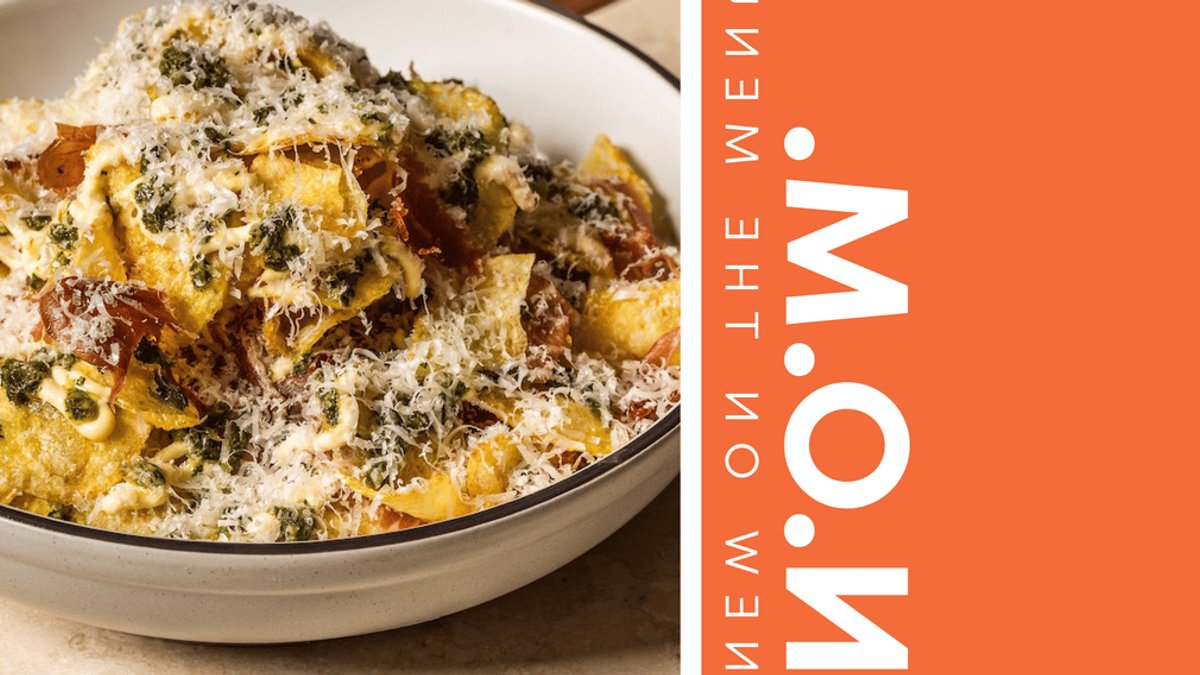
New menu concepts are surfacing in the U.S. dining scene, with Mediterranean‑style nachos and matcha‑infused crème brûlée gaining attention among chefs looking to diversify snack and dessert offerings.
Trend spotting from a seasoned editor
Bret Thorn, senior food‑and‑beverage editor at Nation’s Restaurant News, highlighted the two items in recent coverage. He has tracked restaurant trends since 1999 and notes that the rise of globally inspired small plates is prompting many establishments to experiment with familiar formats. “The idea is to take a classic comfort food and give it a regional twist,” he said in a recent interview on his podcast, Menu Talk with Pat and Bret. His background includes a stint in Thailand, where he wrote restaurant reviews for Manager magazine and Asia Times, giving him a long‑standing perspective on cross‑cultural cuisine.
The Mediterranean nachos concept replaces traditional tortilla chips with toasted pita wedges, seasoned with za’atar, oregano, and a drizzle of olive‑oil‑based tahini. Toppings often feature feta, roasted red peppers, and a sprinkle of pomegranate seeds, delivering a blend of salty, tangy, and sweet notes. Restaurants ranging from upscale bistros to casual gastropubs have begun to feature the dish on brunch and late‑night menus, capitalizing on its shareable nature.
Related: Starbucks slows US expansion to rethink growth
Matcha crème brûlée swaps the usual vanilla custard for a green‑tea‑flavored base, topped with the signature caramelized sugar crust. The dessert’s earthy bitterness balances the sweet topping, appealing to diners who prefer subtle flavors over overt sweetness. Thorn points out that the rise in matcha’s popularity—bolstered by its antioxidant reputation and presence in specialty coffee drinks—has naturally extended to dessert applications.
Several chefs have spoken about the practical appeal of these items. A chef in a New York‑area bistro explained that the pita chips’ sturdier texture holds up better under heavy toppings than corn chips, reducing sogginess during service. Another chef in a California‑based cafe mentioned that matcha’s bright green hue adds visual interest to the plated dessert, while the familiar brûlée surface satisfies guests seeking a known finish.
The dishes fit within existing kitchen workflows. The pita wedges can be pre‑baked and stored, similar to how restaurants handle flatbreads. Matcha powder, already stocked for drinks, integrates smoothly into the custard mixture, requiring only minor adjustments to the standard brûlée recipe. This low‑barrier entry point may explain the rapid adoption across diverse venues.
Related: Texas Chicken gets funding for expansion plans
The industry sees the moves as part of a broader pattern of “global mash‑ups,” where familiar formats are reimagined with international flavors. Consumer demand favors novelty that remains approachable.
The dish is catching on quickly.
Early sales data suggest they are resonating with a segment of diners seeking both comfort and a touch of the unexpected. The combination of recognizable formats and distinctive flavor profiles appears to meet a market niche that values both familiarity and culinary exploration.