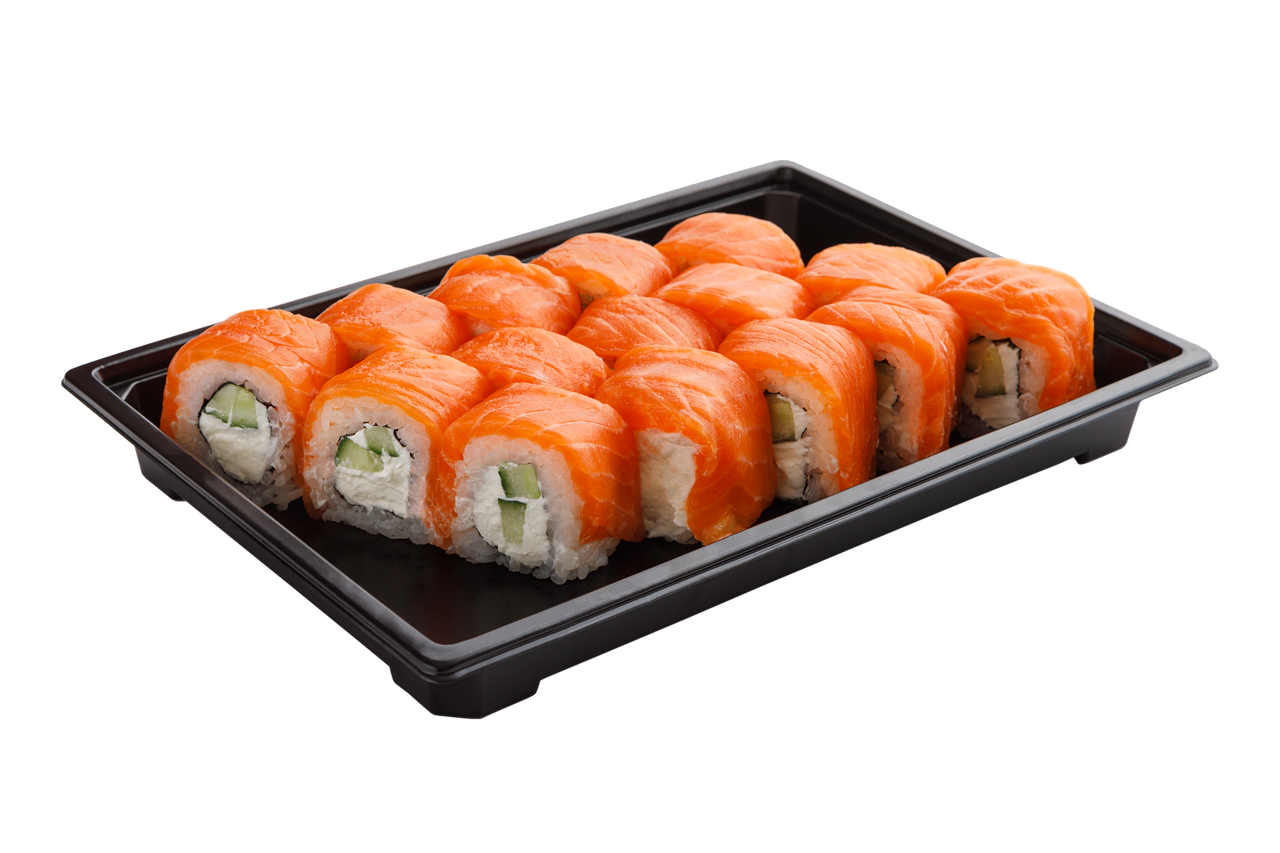
Hormel Foods is rethinking how Spam, the canned meat in blue and yellow cans, can be used beyond its traditional packaging. The company is exploring new ways to include Spam as an ingredient in dishes like sushi and hot dogs. Kelsey Hannon, a brand manager for Spam, said the goal is to move beyond the can. “We see a big opportunity,” she added.
Spam, now available in 11 varieties, has had strong sales for nine of the last 10 years. Hormel has added staff, hiring Hannon and two other brand managers in 2025 to expand Spam’s reach. The company first tested this with prepared sushi, working with Kroger in 2025 to add Spam to the grocer’s offerings. Albertson’s later included its own version of the dish.
Related: Ranch dips and Hot Pockets revamp snack lines
Spam hot dogs became another focus. Rutter’s, a convenience store chain in the northeastern U.S., partnered with Hormel to launch the product in February. It has since appeared in stadiums and other stores. Hannon noted that people online have tried creative uses, like deep-frying Spam or adding it to breakfast meals. The company plans to grow through new packaging, flavors, and occasions.
Hormel has experimented with similar ideas before. A decade ago, it tried dried Spam bites, but the product didn’t last due to weak sales. This time, the focus is on ease and new categories. Sushi, for instance, gives people who aren’t familiar with Spam a chance to try it. Hannon said this often leads to more canned sales later.
Related: The Symbolism of Jewelry in French Royal Courts: A Language of Power
“Convenience is a trend, and it’s not going anywhere,” Hannon said. Spam, created in 1937, was once called “miracle meat” during the Great Depression because it was affordable and didn’t need refrigeration. Its name came from a contest won by the brother of a Hormel executive. The true origin remains a secret, despite some guesses about “spiced ham.”
Spam has stayed popular despite jokes and cultural references. Over 10,000 people visit the Spam Museum in Austin, Minnesota, each year. Hawaii, which uses 7 million cans annually, celebrates with the Waikiki Spam Jam festival, drawing up to 40,000 attendees. Hannon said Hormel’s new leadership sees “the potential of this brand” and wants to use its global appeal.
Related: Breakfast London Bridge: A Morning Culinary Odyssey
The company’s strategy focuses on versatility. By appearing in formats like sushi and hot dogs, Spam aims to attract more people. Hannon noted that those who try Spam in these contexts often return to the canned product. “We say it was born in America, but it was raised around the world,” she said. “We need to figure out how to tap into that.”
Hormel’s efforts show a broader change in food marketing. Brands are adapting to modern tastes and convenience. Spam’s journey from a Depression-era staple to a global icon highlights its resilience. As it expands, the challenge is whether this strategy will keep its legacy alive.