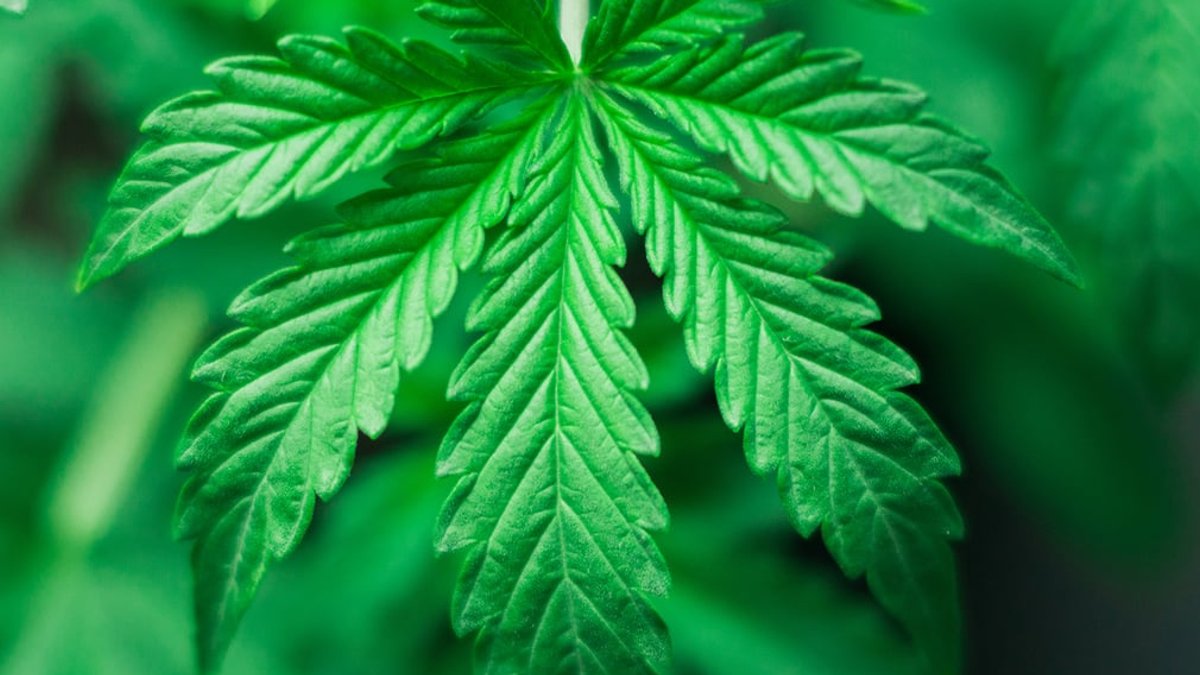
Federal hemp prohibition is likely to be delayed until December, giving the industry another month to lobby for a regulatory framework instead of a blanket ban.
Stopgap funding bill pushes back enforcement
The Senate passed a stopgap funding measure last weekend that extends federal financing to Dec. 11, averting an October 1 shutdown. That bill also contains a provision that postpones the enforcement of a hemp‑based THC restriction originally slated for November. The House must still vote on the temporary funding bill, and it will not return from recess until Aug. 31.
The original provision would have capped THC content in hemp products at 0.3% or 0.4 mg per container. Most “micro‑dosing” items on the market contain at least three times that amount of Delta‑9 THC, meaning they would fall under the ban.
Industry pushes for regulation, not restriction
Advocates for hemp‑derived products see the delay as an opportunity to press for a sensible regulatory scheme. The National Restaurant Association estimates the THC‑beverage market could generate about $1.6 billion for restaurants and bars.
Related: Bonchon to be acquired by two firms
“Consumers have made it clear that they want hemp‑derived THC beverages and that potential is why more than a quarter of restaurant operators are interested in offering them,” said Sean Kennedy, chief advocacy officer of the association, to Nation’s Restaurant News. “What they need to fulfill that potential is for Washington to create a sensible regulatory framework in which these beverages can be enjoyed safely and operators can create a thriving market with clear guidance.”
The framework began to shift in 2018 when the farm bill removed hemp from the Controlled Substances Act, effectively legalizing it after decades of prohibition. Since then, the FDA has spent four years studying hemp‑derived cannabinoids and concluded that Congress should establish a dedicated regulatory authority.
Congress, however, has yet to act, leaving a patchwork of state rules that vary widely. Some states have overlapping restrictions, creating confusion for producers and retailers.
At the federal level, Representatives Beth Van Duyne (R‑TX) and Greg Landsman (D‑OH) recently introduced the Beverage Regulatory Parity Act. The bill proposes a three‑tier distribution system similar to alcohol regulation, strong labeling standards, a ban on synthetic cannabinoids, and an age limit of 21 for purchases.
Related: Outback Steakhouse Gains Momentum in Turnaround
If the near‑total ban takes effect in December, each state will need to decide whether to enforce the new federal baseline or impose stricter rules of its own.
While the delay buys time, it also highlights the broader challenge of integrating a rapidly growing market into existing regulatory structures. The industry’s push for a dedicated framework reflects both economic incentives and consumer demand, suggesting that a one‑size‑fits‑all prohibition may be less practical than a flexible approach.
Restaurants and bars that wish to add hemp‑derived THC drinks to their menus must monitor the legislative process closely. The outcome of the upcoming House vote will determine whether the current provisional pause becomes a permanent adjustment or if the original prohibition proceeds as planned.