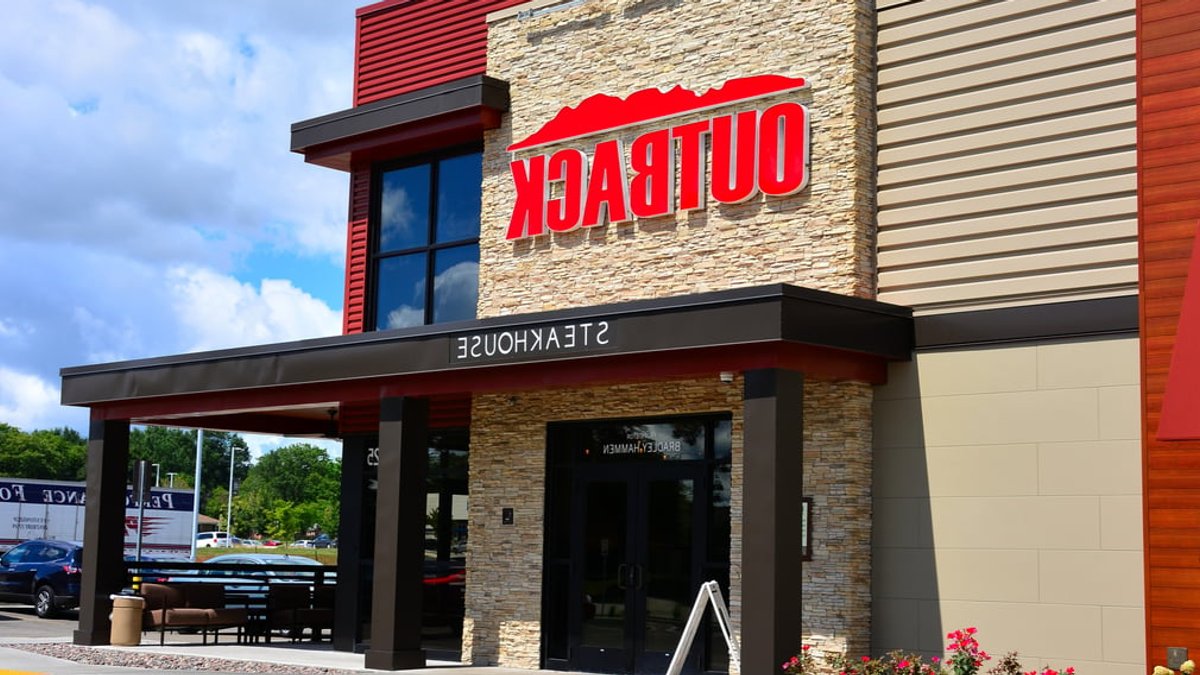
Outback Steakhouse showed a modest but meaningful rebound in its latest quarter, with same‑store sales climbing 1.4% year over year, the highest level recorded since early 2023.
Quarterly results signal steady progress
For the period ending June 28, traffic slipped 2.8%, but executives noted the dip was partly due to the decision to forego third‑party delivery promotions that had boosted traffic a year earlier, albeit at lower profit margins. Customer satisfaction improved across the board, with service scores up seven points, atmosphere up seven, value up six, intent to return up five, food up four, and brand trust up two.
Bloomin’ Brands, the parent company, saw its shares rise 35% to $12.04 by midday Wednesday, marking an 88% gain year‑to‑date. The broader portfolio also posted gains: Carrabba’s Italian Grill reported a 1.7% same‑store sales increase, Bonefish Grill posted 8.1%, and Fleming’s Prime Steakhouse & Wine Bar rose 1.6%.
Operational tweaks drive modest gains
Management credited the uptick to better steak quality and a revised service model that limits servers to four tables instead of six. The “Aussie 3‑Course” value meal remains popular, and roughly 60% of diners chose to upgrade to higher‑priced options. A refreshed menu encourages orders of combo dishes, premium sides, and desserts, though overall menu mix was still negative, indicating customers continue to favor lower‑priced items.
Related: Starbucks and Chipotle rise as Jersey Mike’s debuts
The chain had originally earmarked $18 million for menu‑mix initiatives but now expects to spend about $4 million, reflecting a more focused approach. “We’re seeing guests spending when they feel great in a restaurant,” CEO Mike Spanos told analysts, according to a transcript from AlphaSense.
Outback plans to refresh roughly 85 locations this year, updating tables, chairs, flooring, bar areas, TVs, and exterior landscaping. The average renovation cost per restaurant ranges from $350,000 to $400,000, with a goal to upgrade every venue by the end of 2028.
Margins improved modestly.
In a broader sense, the turnaround mirrors past efforts by casual‑dining chains that have leaned on incremental improvements rather than sweeping overhauls. When comparable brands focused on service efficiency and menu engineering, they often saw similar modest sales lifts before larger gains materialized.
Related: Premier Protein appoints salty snack chief as CEO
Spanos emphasized that the plan’s impact is cumulative, noting that the typical Outback patron visits only twice a year, so measurable results may take time to appear. “In my experience in turnarounds, there’s a flywheel on this,” he said. “It takes time. I also know our Outbackers are telling us we’re on the right path.”
During the quarter, Outback hosted its first Managing Partners Conference since 2019. Co‑founder Tim Gannon, creator of the signature Bloomin’ Onion, spent two days rallying staff, and the leadership team left the event feeling energized. “He was very clear that we’re doing the right things,” Spanos added.
Overall, same‑store sales rose 2.3%, while total revenues increased 1.3% to just over $1 billion. Restaurant‑level operating margins edged up 0.4% to 12.4%.
Outback still trails the broader casual‑dining sector in both same‑store sales and traffic, according to Black Box Intelligence data, but the gap is narrowing. The firm has raised its annual outlook for all four brands, now projecting same‑store sales growth of 1% to 2% across the board, up from the prior 0.5% to 2.5% range.