A recent survey by Knit, an AI-native research agency, revealed that sleep is the top wellness concern for consumers, with 45% aiming to improve their sleep quality and 5% struggling to achieve restful sleep. This aligns with Mintel’s Global Predictions 2027, which highlights a shift toward building sleep support throughout the day—through meals, snacks, beverages, and even household scents—rather than relying solely on bedtime solutions. Tibersoft’s Suzanne Cwik and Kinetic12’s Art Bell recently discussed on The Food Institute Podcast how understanding consumer behavior can help manufacturers tailor products to meet these evolving needs, improving trade investments and sales strategies.
Chamomile Tea: A Calming Bedtime Ritual
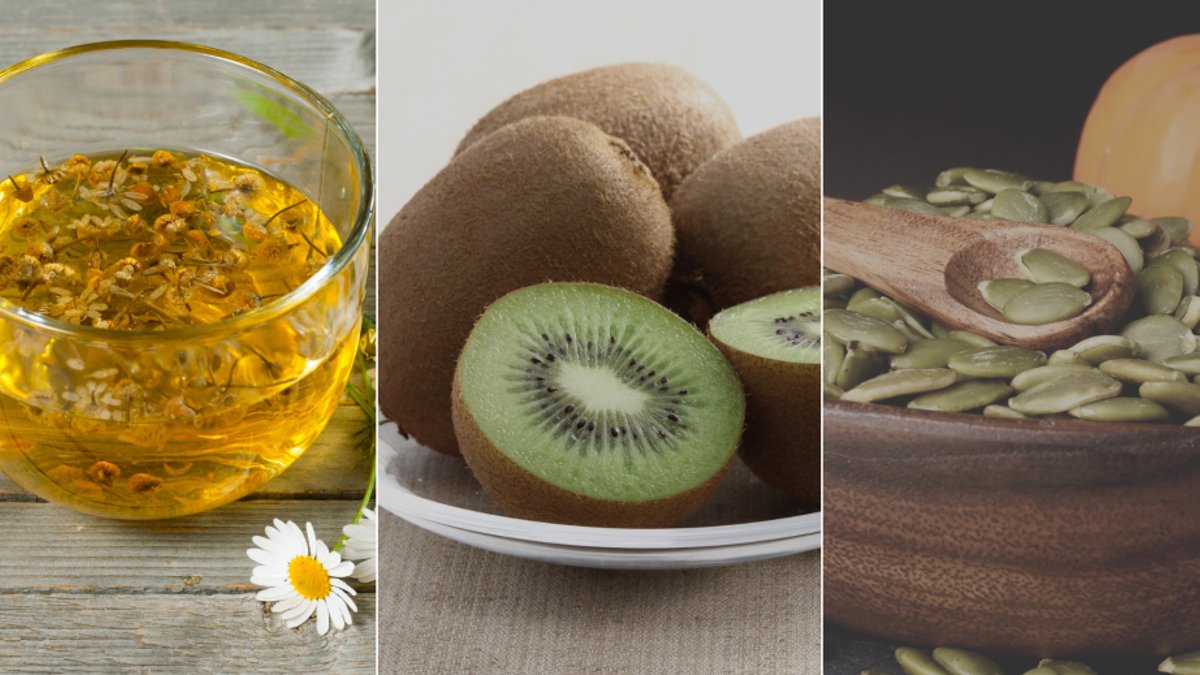
Dr. Shernell Surratt-Gary, Clinical Advisor at Aura Recovery Center, recommends chamomile tea as a natural sleep aid. This caffeine-free beverage is prepared by steeping dried chamomile flowers in hot water, ideally without sweeteners or additives. A randomized controlled trial involving 80 postpartum women with sleep disturbances found that drinking chamomile tea for two weeks improved sleep efficiency scores compared to usual care. However, the benefits were not sustained after participants stopped drinking it, and the results should not be generalized to all individuals with insomnia.
Dr. Surratt-Gary notes that chamomile’s calming effect may support sleep, though the exact mechanism remains unclear. Its value may also lie in supporting a consistent bedtime routine while avoiding caffeine, which can disrupt sleep. She emphasizes that chamomile tea should complement, not replace, medical evaluation for underlying sleep disorders.
Pumpkin Seeds and Tart Cherries: Nutrient-Rich Sleep Supporters
Dr. Edmundo Rodriguez-Frias, Medical Contributor at Retreat of Broward, suggests pumpkin seeds as an evening snack. Rich in magnesium, which regulates nerve signaling, and tryptophan, a precursor to serotonin and melatonin, these seeds may improve sleep when consumed plain and unsalted. Dr. Rodriguez-Frias cautions that while the evidence is promising, it should be interpreted carefully, and pumpkin seeds should be part of a balanced evening routine rather than a standalone solution.
Read Also: Weight-Loss Drugs Drive Healthier Food Choices
Dr. Hanul Bhandari, Medical Contributor at Alpas Wellness NOVA, highlights tart cherries, which contain small amounts of melatonin and anthocyanins. A 2025 systematic review of seven studies found mixed results: three reported improvements in sleep duration, efficiency, or onset, while three noted increased melatonin levels. Tart cherries gained popularity as part of the viral “sleepy girl mocktail,” showcasing their appeal as a natural sleep aid.
Green Kiwifruit, Pistachios, and Walnuts: Whole Foods for Better Sleep
Green kiwifruit is another whole food linked to improved sleep. A 2011 study found that adults who ate two kiwis one hour before bed for four weeks experienced better sleep onset, duration, efficiency, and overall quality. Kiwifruit’s serotonin content supports melatonin production, making it a valuable addition to a sleep-promoting diet.
A nutrition research review published by Cambridge University highlighted pistachios as a potential whole-food remedy for sleep issues, as they’re rich in vitamins and minerals. Walnuts, a natural food source of melatonin and tryptophan, also deserve a spot in a sleep-supporting diet. A 2025 study found modest improvements in how quickly participants fell asleep, as well as their sleep efficiency and overall sleep quality.