Same-store sales at Sweetgreen fell 6.2% in the second quarter, a sharp reversal from the chain’s recent momentum. Executives attributed the decline to a cyclospora outbreak linked to lettuce.
The fast-casual salad chain had been recovering from a difficult first quarter, when sales dropped nearly 13%. Traffic improved through the spring, ending flat in June. Progress halted in July after news of the parasite outbreak spread, reducing demand for fresh prepared foods.
Sweetgreen does not use iceberg lettuce, the suspected source of the outbreak, and no cases were connected to the chain. Still, CEO Jonathan Neman said the headlines reduced comparable sales in July by 6 percentage points.
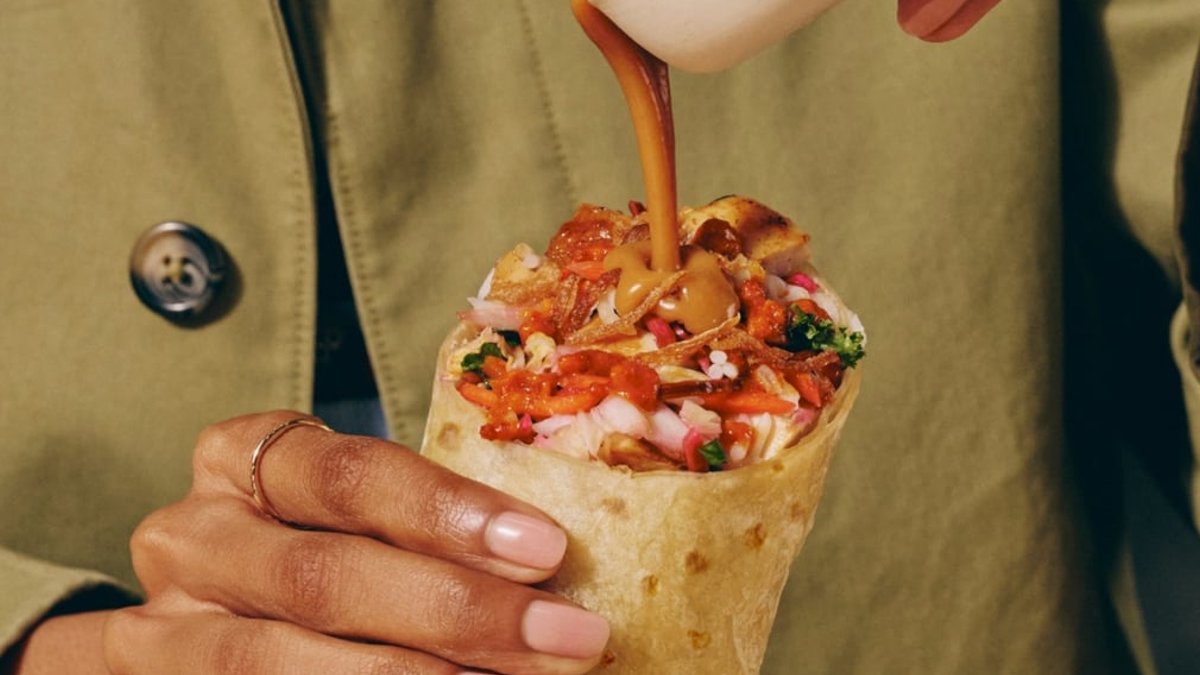
The second-quarter decline included a 2% drop in traffic and a 4.2% dip in product mix, as customers chose lower-priced wraps and promotions. The chain also removed ripple fries from the menu after last year’s second quarter, which affected results.
Revenue grew 3.8% to $192.7 million due to new locations. Sweetgreen opened four restaurants and closed two, bringing its total to 287. The net loss widened to $26.3 million, up from $23.2 million a year earlier.
Neman acknowledged the results missed expectations but noted positive signs. “Guests are responding to wraps, restaurant execution is improving, and transactions strengthened throughout the quarter,” he said. The chain’s strategy, he added, is effective.
A separate salmonella outbreak linked to fresh jalapeños led Sweetgreen to pull the peppers from its supply chain, though they appeared in only two of its 15 dressings. These actions show how foodborne illness headlines can deter customers, even when a chain avoids direct contamination.
Related: How Papa Johns’ New Marketing Leadership Aims to Reverse Declining Same‑Store Sales
The company now expects a slower recovery. It lowered its full-year guidance, projecting same-store sales to decline between 8% and 7%, steeper than the earlier forecast of a 4% to 2% drop.
Sweetgreen’s struggles reveal how easily consumer trust can erode in the fast-casual sector. The chain markets itself as a healthier alternative to traditional fast food, but food safety headlines create broader concerns. Customers who might have chosen a salad during lunch may now pick a sandwich or hot meal instead. The change reflects both caution and shifting perceptions.
A single outbreak can undo months of marketing and menu updates. The timing was especially poor, as Sweetgreen had just begun recovering from a weak first quarter. Wraps and better execution were driving improvement before the cyclospora news halted progress.
Neman was direct about the setback. “The pace and timing of recovery remains uncertain,” he said. The chain is now focused on limiting damage, removing ingredients as a precaution, and waiting for the headlines to fade.
Rebuilding trust in an industry where reputation matters most will require more than reintroducing ingredients or adjusting menus. The challenge is how long customers will recall the scare and whether they will return once concerns ease.
Similar issues have exposed food traceability flaws in other supply chains, showing how quickly confidence can be lost.