
8 Easy and Delicious Ways to Add Protein to Your Salad – I’m sure we can all relate to this experience: You’re getting ready to eat what you believe is a strong, delicious salad that can keep you energized and satisfied until dinner, only to feel and hear your stomach growling within minutes. finish your lunch. It happens to most of us, but unfortunately, there is now a stigma surrounding this healthy and versatile dish based on its inability to consistently fill and fill people up. Finding delicious and nutritious ways to make your salads more filling doesn’t have to be a challenge—it all starts with choosing and incorporating the right protein.
The effect of protein on your appetite is twofold. This macronutrient can reduce your levels of ghrelin (aka the “hunger hormone”), while increasing the peptide hormone YY which enables feelings of fullness. In fact, research shows that following a high-protein diet can subconsciously lead to eating fewer calories each day, which can ultimately lead to weight loss.
To help us determine the best protein-packed tasty salad toppers for making filling and delicious salads, we spoke to expert nutritionists. Lauren Manager, MS, RDN, LD, CLEC, writer First Time Mom Pregnancy Cookbook, Healthy Pregnancy Cookbook 7 Ingredients, And Stimulating Male Fertility. Read on to find out what foods she suggests that can help boost the protein content of your salad—and for more tips on how to increase your protein intake without compromising the deliciousness of your dish, be sure to check those out too. 23 Songs for Everyone Who Loves Late Night Workouts.
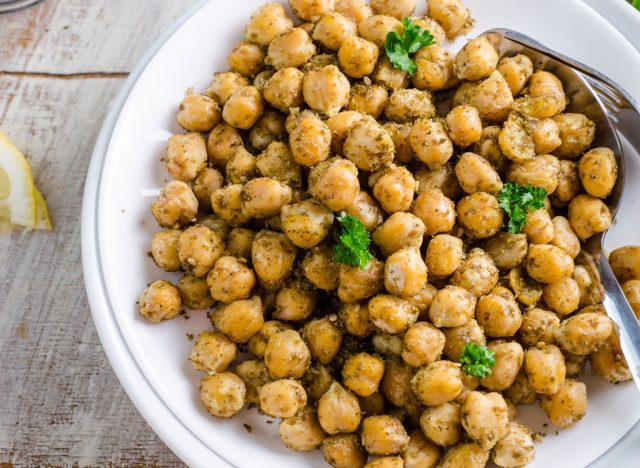
“It doesn’t matter whether they’re roasted or straight from the can (after draining, of course), chickpeas are one of the easiest sources of protein to add to salads,” says Manaker. Eat This, Not That! In fact, adding 1/4 cup of chickpeas to your salad can increase its protein content by about 6 grams.
“Packed with plant protein, fiber, and antioxidants, these little garbanzos can add some serious satisfaction to your salad,” adds Manaker.
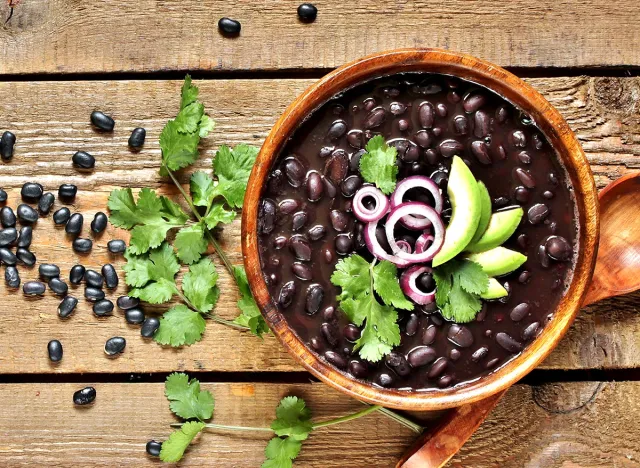
Adding just a teaspoon of black beans to your salad can turn your light lunch into a filling meal by pumping in nearly 6 grams of protein.
“Black beans are a great source of plant protein, fiber and many micronutrients,” explains Manaker. “Adding it to your Southwest salad can add extra flavor and filling nutrition.”
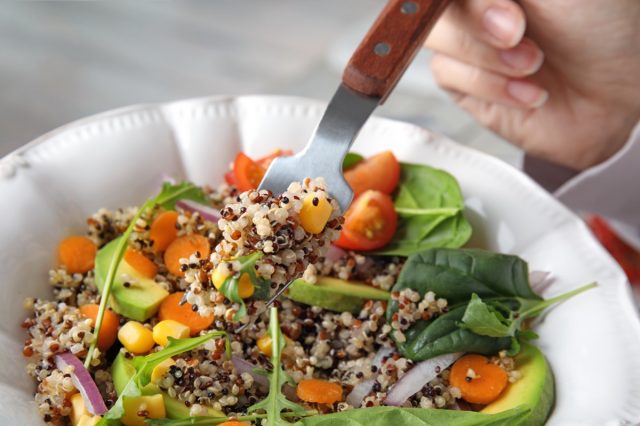
With over 8 grams of protein per cup, quinoa’s satiating power is undeniable. Plus, this amount of quinoa contains over 5 grams of dietary fiber, which also supports your digestive health while keeping you full longer. That’s why, when it comes to this particular superfood, Manaker urges you to keep an open mind about the various health benefits these carbohydrates can provide.
“Don’t think of quinoa as just a source of carbohydrates,” advises Manaker. “While quinoa is typically served as a ‘carb,’ it has plant protein that can help make your salad more likely to stick to your ribs.”
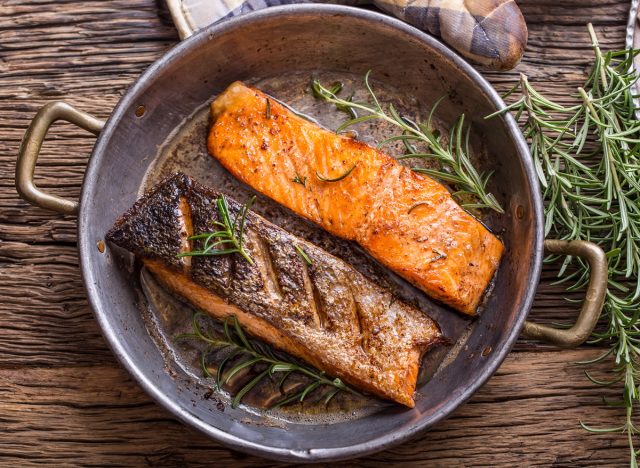
“Instead of serving your salmon with extra rice and vegetables, try adding it to your salad!” The manager suggested.
If you are a meat eater, salmon is the protein to choose. Unlike other popular salad dressings like chicken or beef, salmon boosts the protein content of your plate with more than 37 grams of protein per 5 ounces of fillet, but little added saturated fat. According to Manaker, this delicious fish is also rich in micronutrients which, according to research, are beneficial for brain and heart health.
“Salmon is one of the best sources of omega-3 fatty acids, which can help support heart health,” says Manaker. “It’s also a source of high-quality protein that can benefit any salad.”
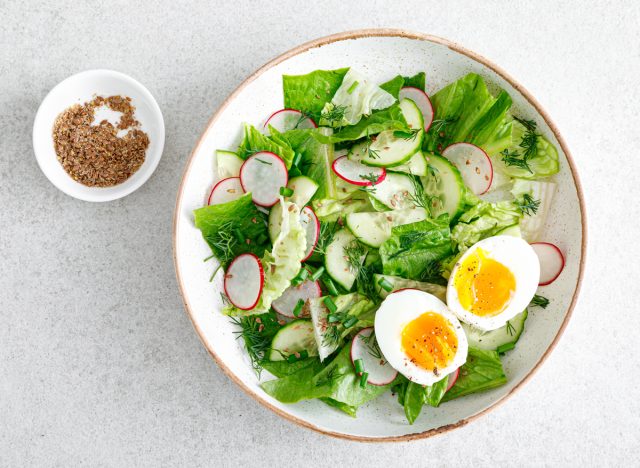
“Poached eggs add high-quality protein to salads, as well as many important nutrients like choline, iodine and vitamin B12,” says Manaker.
An excellent source of lean protein, one large egg also contains only about 77 calories, making it a filling yet low-calorie salad topping option.
“They can be chopped, sliced, or mixed with a touch of mayo for a classic egg salad—yum!” The manager suggested.
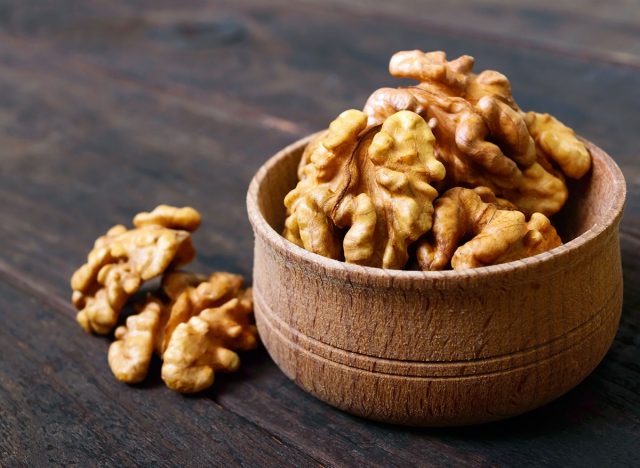
If you want to fill your salad with a little added crunch, skip the croutons and opt for the walnuts instead. Just one ounce of walnuts (a standard serving size) contains more than 4 grams of satiating protein. Manaker also points out that this tree nut can enhance the taste and nutritional quality of your salad beyond its high protein content.
“As the only nut that is an excellent source of the omega-3 fatty acid ALA, it’s easy to see that this nutritional powerhouse is so much more than just plant protein,” explains Manaker. “The combo of protein, fiber, and healthy fats helps increase satiety, and the flavor these nuts offer can elevate any salad in seconds.”
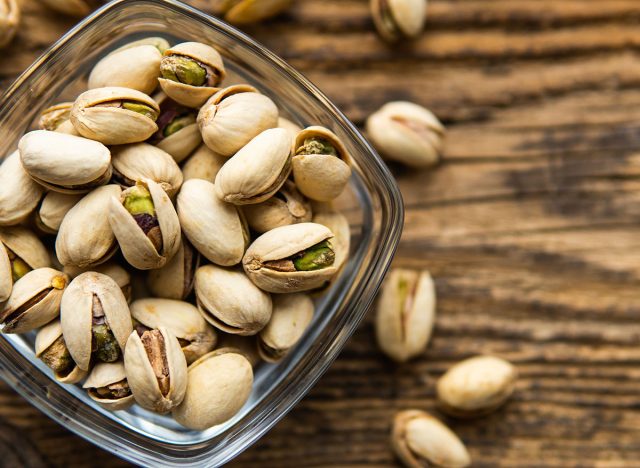
“A serving of pistachios has as much protein as an egg (about 6 grams of protein) and as much fiber as 1/2 cup of broccoli (about 3 grams of fiber),” says Manaker. “[In addition to being a] good source of protein and fiber [pistachios also contain] vitamin B6, phosphorus, thiamin, and is an excellent source of copper. Once peeled, they can be sprinkled into salads for a boost of antioxidants and nutrients.
“Bonus?” The manaker continued. “Pistachios are a plant-based source of complete protein.”
Research from the American Heart Association shows that incorporating more plant foods — including protein — into your diet has the potential to reduce your risk of heart attack and other cardiovascular-related health problems, regardless of what age you start incorporating them into your regular eating routine.
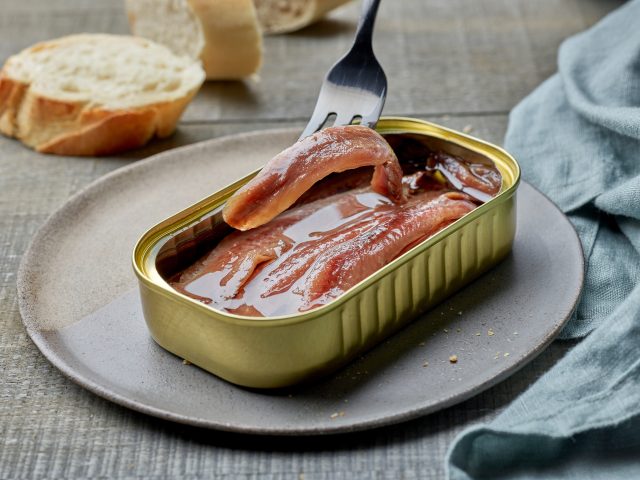
With 13 grams of protein per 2-ounce can—love it or hate it—anchovies are a convenient way to give your salad a healthy protein boost.
“Anchovies are a great protein to add to your salad—especially if you haven’t made it to the grocery store yet and you have some stock in your pantry,” says Manaker. “Anchovies are the perfect partner for a classic Caesar salad, and they offer some major nutritional points. They’re packed with the omega-3 fatty acids DHA (hello, heart health support!), vitamin B12, and selenium.”
“Bonus? They are already done when you get the canned version, so all you have to do is drain and serve,” he adds.
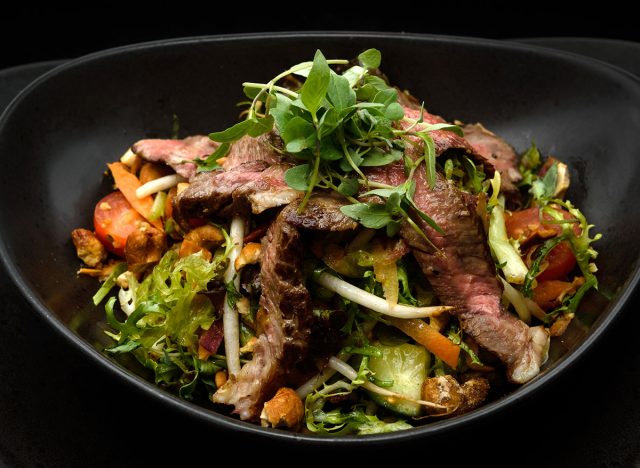
“Lean cuts of beef can be added to salads for added high-quality protein, iron, zinc, and other important nutrients,” says Manaker. “Choosing lean cuts and sticking to the recommended 3-4 ounce portion can make a good-for-you and satisfying salad when combined with vegetables and healthy fats.”