
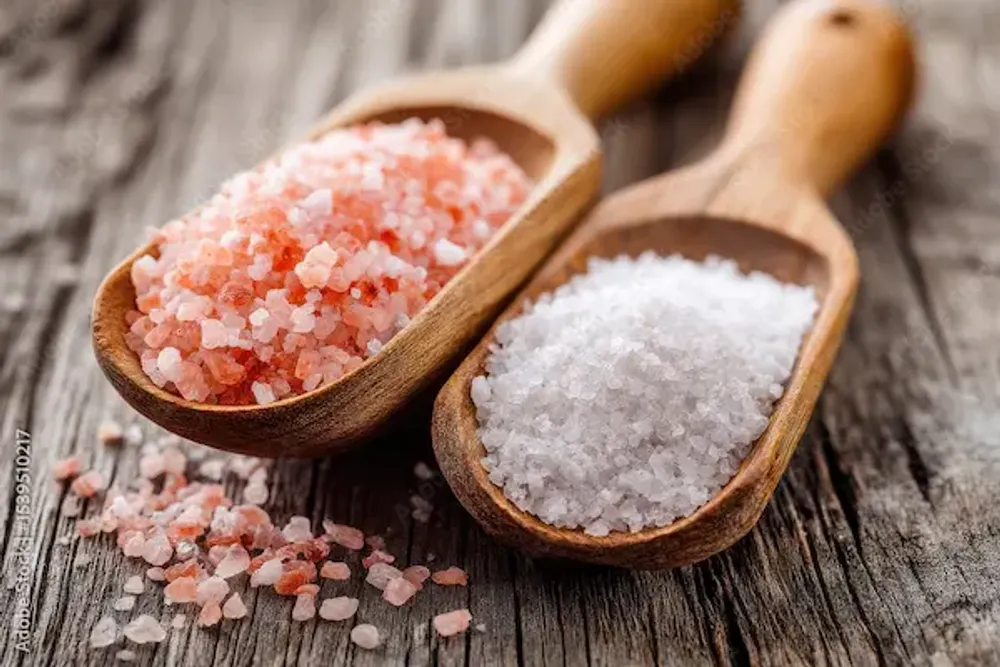
The Rise of Himalayan Pink Salt in Modern Kitchens
A Trend Fueled by Culinary Innovation
Walk into any high-end restaurant today, and chances are you’ll spot something interesting on the table—a grinder filled with shimmering pink crystals. This isn’t just a design choice; it’s a reflection of how modern chefs think about ingredients. Cooking has evolved far beyond simply adding flavor. Today, it’s about storytelling, experience, and presentation. Himalayan pink salt fits perfectly into that narrative.
Chefs are constantly searching for ways to elevate dishes without complicating them. Sometimes, the smallest tweak—like swapping regular table salt for pink salt—can transform the entire sensory experience. It’s similar to switching from a basic white light bulb to warm ambient lighting; the function is the same, but the feel is completely different. Himalayan pink salt brings that “premium touch” without requiring complex techniques.
Another reason behind this shift is the growing emphasis on natural and minimally processed rare foods. Diners today are more aware of what goes into their meals. When chefs say they use “natural rock salt,” it instantly sounds cleaner and more authentic than refined table salt. That perception alone is powerful enough to influence menu choices and customer satisfaction.
Global Market Growth and Popularity
The rise of Himalayan pink salt isn’t just anecdotal—it’s backed by real market data. The global market for pink Himalayan salt crossed $500 million and is projected to approach $700 million by 2030 . That’s not just growth—it’s a culinary movement.
This surge is driven by both professional chefs and home cooks who are embracing premium ingredients. Restaurants, in particular, benefit from using ingredients that add perceived value. When a diner hears “Himalayan pink salt,” it subtly signals quality, craftsmanship, and attention to detail.
Interestingly, much of this salt comes from the Khewra Salt Mine in Pakistan, one of the largest and oldest salt mines in the world. Despite the “Himalayan” branding, the actual origin story adds another layer of intrigue—something chefs love to incorporate into their culinary storytelling. These real stories reflect more than just food—they show connection, culture, and trust. Every order we deliver becomes part of someone’s journey, creating memories filled with taste, heritage, and happiness.
What Is Himalayan Pink Salt?
Origin and Extraction Process
Himalayan pink salt is a type of rock salt mined from ancient sea beds in the Punjab region of Pakistan. Unlike regular table salt, which undergoes heavy refining, pink salt is typically hand-extracted and minimally processed.
This minimal processing is one of its biggest selling points. It retains its natural structure, free from additives like anti-caking agents that are often found in table salt. For chefs, this aligns perfectly with the philosophy of “less is more”—letting ingredients shine in their purest form.
Think of it like fresh cold-pressed juice versus packaged juice. Both may hydrate you, but one feels more authentic and closer to nature. That’s exactly how chefs perceive Himalayan pink salt.
Mineral Composition Explained
Pink salt is often praised for containing up to 84 trace minerals, including calcium, potassium, magnesium, and iron . These minerals are what give the salt its signature pink hue.
However, here’s the interesting twist: while these minerals sound impressive, their actual quantities are extremely small. You’d need to consume unrealistic amounts of salt to gain any significant nutritional benefit.
So why does this matter to chefs? It’s not really about nutrition—it’s about perception. The idea of “mineral-rich salt” adds a layer of sophistication that enhances the dining experience.
Key Differences Between Pink Salt and Regular Salt
Processing Methods
Regular table salt is heavily refined. During processing, impurities and trace minerals are removed, leaving behind almost pure sodium chloride. Additives like anti-caking agents are often included to improve shelf life and texture.
In contrast, Himalayan pink salt is minimally processed and typically doesn’t contain additives. This difference plays a huge role in why chefs prefer it. In a world where “clean eating” is trending, unrefined ingredients are naturally more appealing.
Taste and Texture Variations
Here’s where things get interesting. Many chefs claim that pink salt has a milder, more nuanced flavor compared to regular salt. While the difference isn’t dramatic, it’s noticeable enough for culinary professionals.
Texture is another major factor. Pink salt often comes in larger, coarser crystals. This makes it ideal for finishing dishes, where texture can enhance the overall experience. Imagine biting into a perfectly grilled steak and getting a subtle crunch of salt crystals—that’s something fine table salt simply can’t replicate.
Nutritional Comparison Table
| Component | Himalayan Pink Salt | Regular Table Salt |
| Sodium Chloride | ~98% | 97–99% |
| Trace Minerals | Present (small amounts) | Almost none |
| Additives | None | Often present |
| Iodine | Usually absent | Often added |
| Processing | Minimal | Highly refined |
Why Chefs Prefer Himalayan Pink Salt
Enhanced Flavor Profile
Flavor is everything in cooking, and even subtle differences matter. Pink salt offers a slightly more complex taste due to its mineral content, even if minimal. For chefs, this adds depth without overpowering the dish.
It’s like adding a pinch of spice to chocolate—it’s not about making it spicy, but about enhancing the overall flavor.
Visual Appeal and Presentation
Let’s be honest—presentation matters. Pink salt looks stunning. Whether sprinkled over a salad or used as a finishing touch on a dessert, it adds a visual contrast that elevates the dish instantly.
In fine dining, every element on the plate is intentional. Pink salt acts almost like edible garnish, making dishes more Instagram-worthy and visually appealing.
Versatility in Cooking Techniques
Pink salt isn’t just for seasoning. Chefs use it in multiple ways:
- As a finishing salt
- In salt crust cooking
- On Himalayan salt blocks for grilling
This versatility makes it more than just a seasoning—it becomes a cooking tool.
The Health Perception Factor
Trace Minerals and Their Role
Many consumers believe pink salt is healthier due to its mineral content. While it does contain minerals, the amounts are too small to make a meaningful impact on health.
Still, perception matters. When customers believe they’re eating something healthier, it enhances their overall dining experience.
Myths vs Scientific Reality
Let’s clear the air—scientifically, pink salt is nutritionally very similar to regular salt. Claims about detoxification, weight loss, or superior health benefits are largely unsupported.
Experts consistently emphasize that excess sodium—regardless of the source—can lead to health issues like high blood pressure .
The Role of Texture in Culinary Excellence
Coarse vs Fine Salt in Cooking
Texture plays a crucial role in how we experience food. Coarse salt crystals dissolve more slowly, providing bursts of flavor rather than uniform saltiness.
This allows chefs to control seasoning more precisely. It’s like adjusting volume levels in music—you get more control over the final output.
Finishing Salt Trends
Finishing salts have become a major trend in modern cuisine. Pink salt, with its coarse texture and vibrant color, is perfect for this purpose.
It’s not just seasoning—it’s the final signature on a dish.
Influence of Social Media and Food Culture
Instagram-Worthy Dishes
In the age of social media, food is no longer just about taste—it’s about visuals. Pink salt adds color contrast that pops in photos, making dishes more shareable.
And let’s face it—if it looks good on Instagram, it sells.
Celebrity Chef Endorsements
Many celebrity chefs and influencers have embraced Himalayan pink salt, further boosting its popularity. Once something becomes trendy in the culinary world, it quickly spreads to restaurants and home kitchens alike.
Limitations and Criticism
Lack of Strong Scientific Evidence
Despite all the hype, there’s limited scientific evidence supporting major health benefits of pink salt.
Iodine Deficiency Concerns
Unlike iodized salt, pink salt doesn’t contain iodine. This can be a concern, as iodine is
Conclusion
Himalayan pink salt isn’t replacing regular salt because it’s dramatically healthier—it’s replacing it because it delivers a better overall experience. From its aesthetic appeal to its texture and subtle flavor differences, it aligns perfectly with modern culinary trends. Chefs are always chasing that extra edge, and sometimes, it comes in the form of a simple pink crystal.
At the same time, it’s important to separate perception from reality. Nutritionally, both salts are nearly identical, and moderation remains key. So, is pink salt worth it? If you’re looking to elevate your dishes visually and experientially, absolutely. If you’re chasing health benefits alone, regular salt does the job just as well.